We visited the ruins of Nagoya Castle (Hizen) in Karatsu, Saga Prefecture, during Japan’s Silver Week holidays in September 2026 — three generations, including our 8-year-old son. Toyotomi Hideyoshi built this huge castle as the base for his invasions of Korea (the Bunroku and Keichō campaigns), and the camp sites of feudal lords (daimyo) from all over Japan are scattered around it. In short: we spent about 2 hours 30 minutes (taking our time at the ruins and the Nagoya Castle Museum). The Japan’s Top 100 Castles stamp is at the Nagoya Castle Museum, and the museum’s permanent exhibition is free.
Key points
Time needed: we actually stayed about 2 hours 30 minutes (ruins + museum, at a relaxed pace)
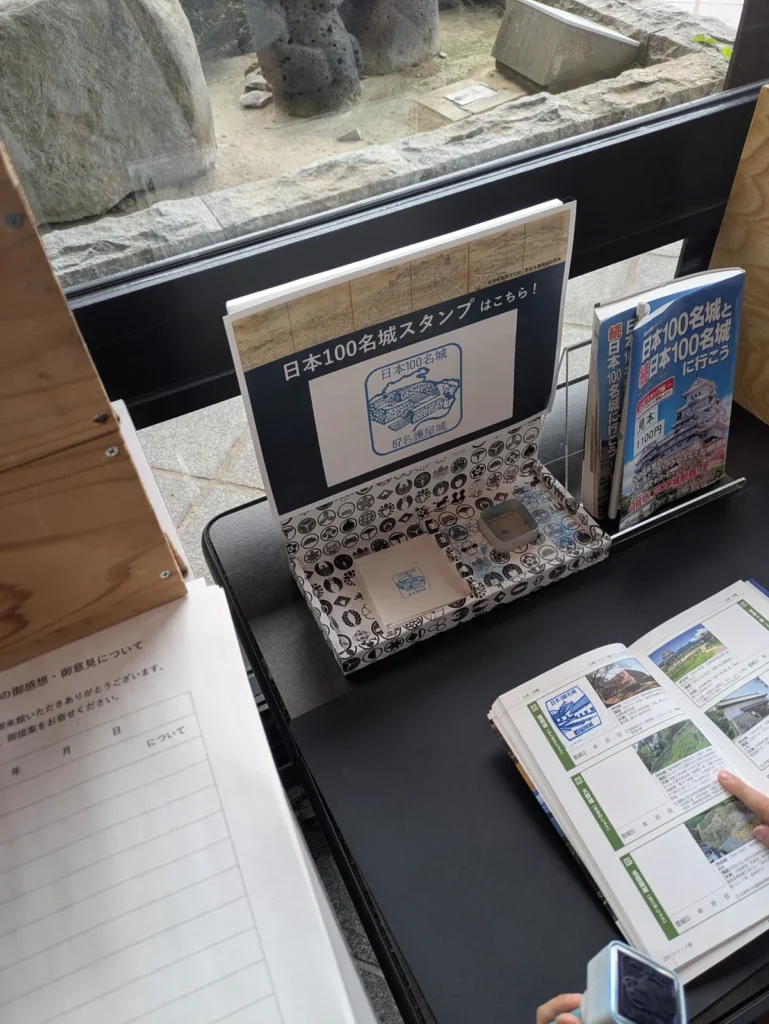
Stamp: the Top 100 Castles stamp is at the Saga Prefectural Nagoya Castle Museum
Fees: walking the ruins is free, and so is the museum’s permanent exhibition (as of September 2026)
Parking: free parking available
Not the same as Nagoya Castle (Aichi): Nagoya Castle (Hizen) is Hideyoshi’s castle in Karatsu, Saga; Nagoya Castle in Aichi was built on the orders of Tokugawa Ieyasu. They are completely different castles
TOC
1. Basic information before you go
Castle (number)
Nagoya Castle, Hizen (Japan’s Top 100 Castles No. 87)
Location
Chinzei-machi, Karatsu City, Saga Prefecture
Builder / year
Toyotomi Hideyoshi (layout by Kuroda Kanbei) / construction began in 1591 and is said to have been completed in only about five months
Main remains
Keep foundation (tenshudai), stone walls of the main and second enclosures, riding ground, and the surrounding daimyo camp sites (more than 130)
Stamp location
Saga Prefectural Nagoya Castle Museum
Parking
Free parking available
Time needed
Our actual stay: about 2 hours 30 minutes (relaxed visit)
Fees / opening hours
The ruins are open and free to walk. Nagoya Castle Museum: 9:00–17:00, permanent exhibition free, closed Mondays (next day if Monday is a holiday) and over the New Year holidays (as of September 2026)
2. Nagoya Castle (Hizen) vs. Nagoya Castle (Aichi)
The names are read almost the same, but they are completely different castles.
Nagoya Castle (Hizen): in Karatsu, Saga — built by Toyotomi Hideyoshi for the invasions of Korea. Today it is a ruin with stone walls and the keep foundation
Nagoya Castle (Aichi): in Nagoya, Aichi — built on the orders of Tokugawa Ieyasu, famous for its golden shachihoko (fish-shaped roof ornaments)
By the way, Nagoya Castle in Aichi is said to have been built after the Battle of Sekigahara, when Ieyasu ordered lords from across Japan to build it as a defense against the Toyotomi family in Osaka. One was built by Hideyoshi; the other was built by Ieyasu to keep the Toyotomi in check. Same reading, opposite sides.
Searching for “Nagoya Castle” mostly brings up the one in Aichi, so for the castle in Saga, try “Hizen Nagoya Castle” or “Nagoya Castle Museum.”
3. How long does Nagoya Castle (Hizen) take?
We arrived first thing in the morning, so we explored the ruins and the museum in the quiet, uncrowded hours, taking about 2 hours 30 minutes in total.
Quick visit (about 1 hour): stamp at the museum → view from the main bailey and keep foundation
Relaxed visit (about 2 hours 30 minutes): museum exhibits → loop around the ruins → look down on the daimyo camps from the keep foundation
Camp-site tour (extra time): allow more time if you want to visit the camp sites of Date Masamune, Tokugawa Ieyasu and others
4. Parking, access and fees
There is free parking near the museum. Walking the ruins and the museum’s permanent exhibition are both free. If you arrive early, you can stroll the quiet ruins at your own pace.
Afterwards, we had a Karatsu Burger for lunch and moved on to Karatsu Castle.
5. Highlights and our visit (with a look at the castle’s design)
A “fortress city” that rivaled Osaka Castle
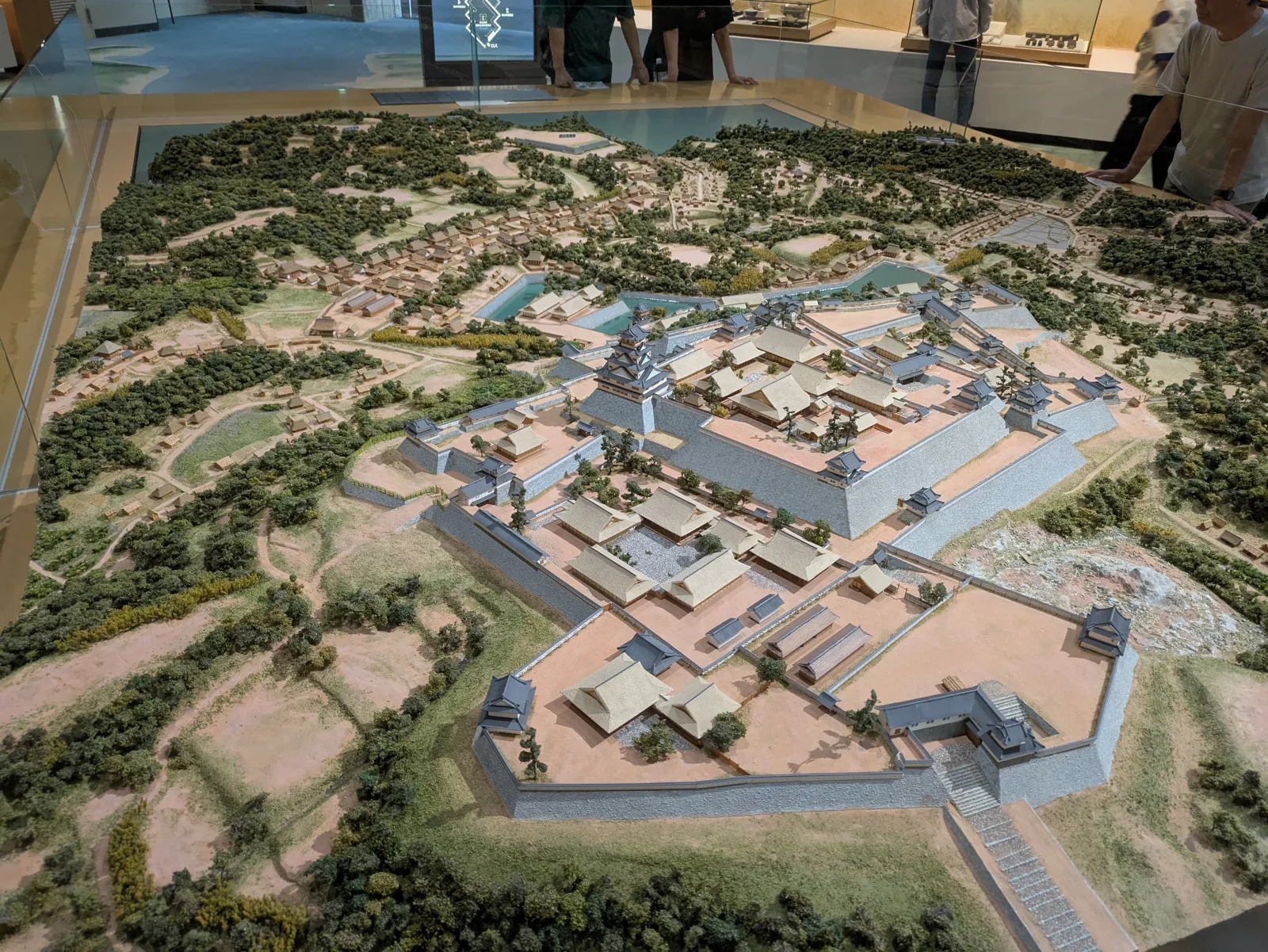
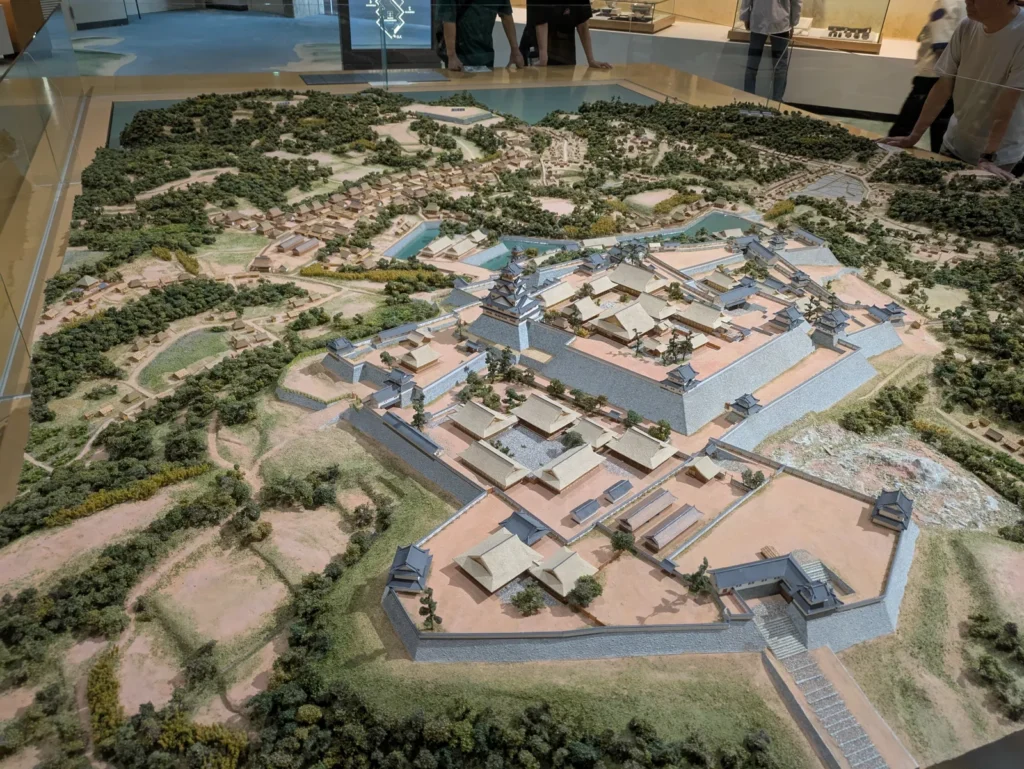
Nagoya Castle is said to have been laid out by Kuroda Kanbei on Hideyoshi’s orders and completed in only about five months. The area around the main bailey alone covers about 17 hectares, and with more than 130 daimyo camps and a castle town around it, it was an enormous “fortress city.”
The Nagoya Castle Museum has a diorama recreating the castle and its town as they once were. Seeing the keep towering on the hill and the daimyo residences and streets filling the land around it, you can feel that this place was briefly the political center of Japan.
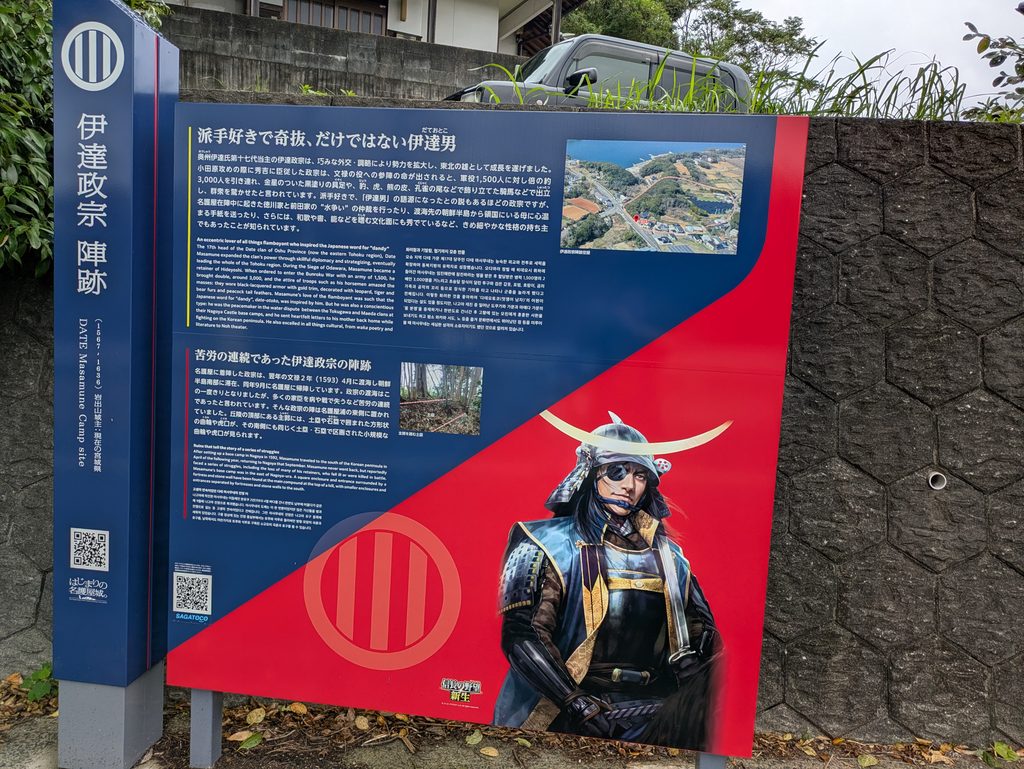
Around the ruins you’ll find the camp sites of famous warlords from history textbooks, such as Date Masamune and Tokugawa Ieyasu. Every time you spot a sign, you go “Here too!” — that’s part of the fun.
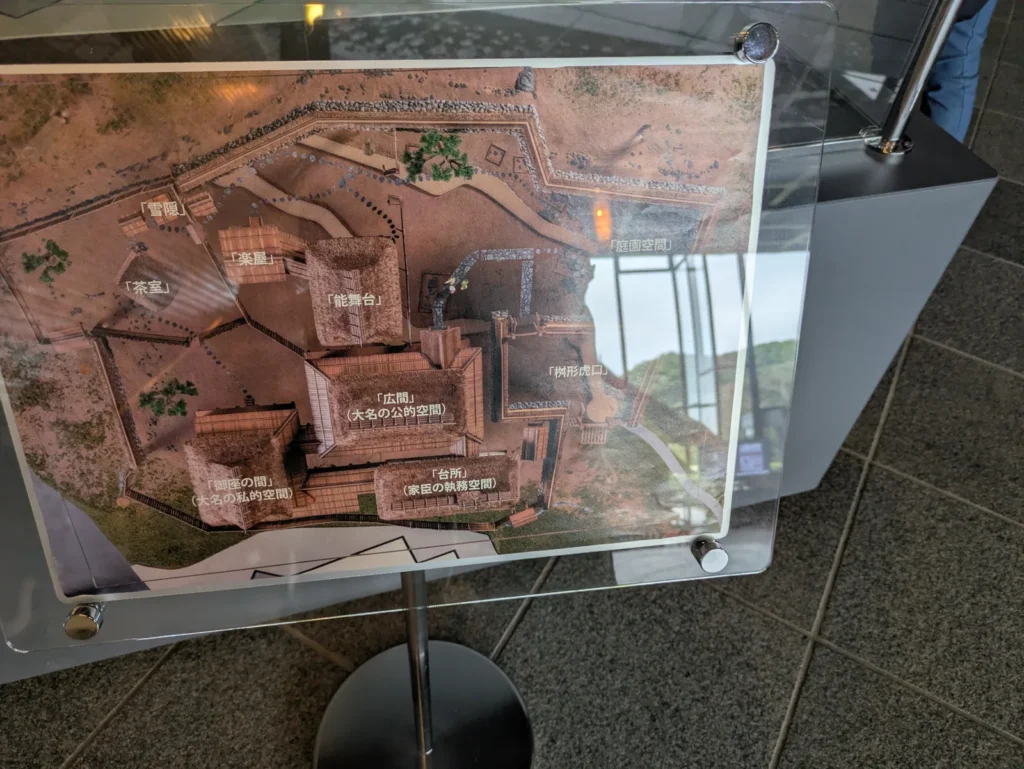
The museum also has a model of a daimyo’s camp residence, showing that besides the formal audience hall (hiroma) and private quarters, it even had a Noh stage and a tea room. Far from temporary shelters, these were grand mansions.
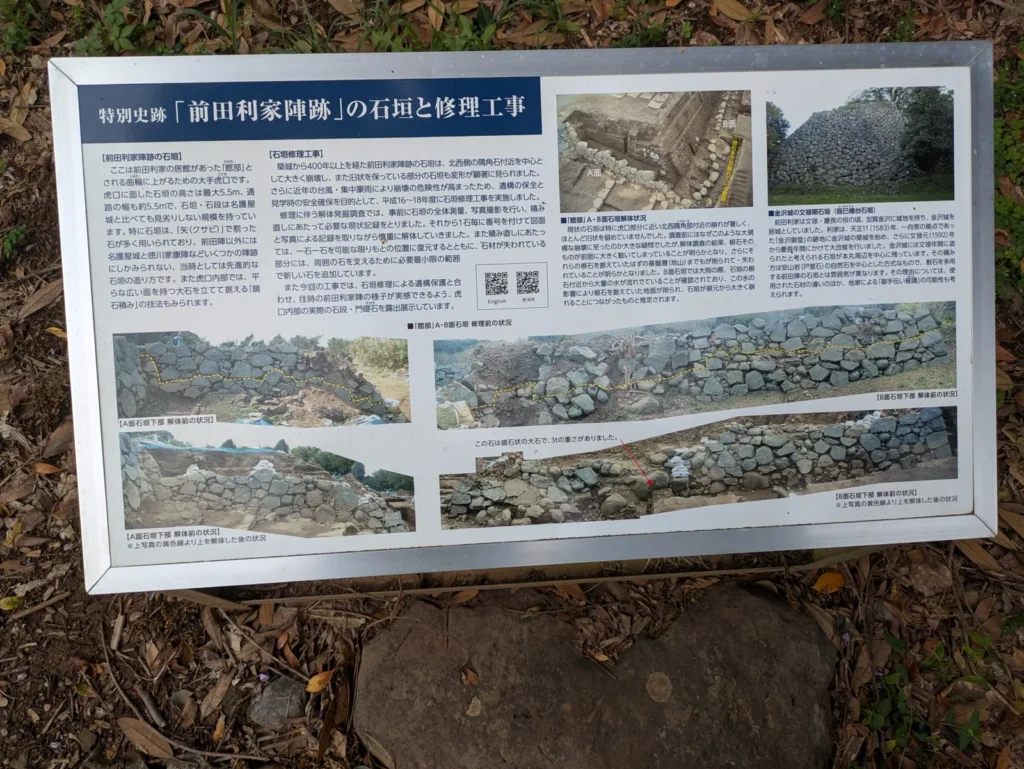
At the camp site of Maeda Toshiie, there is also a sign explaining the stone walls and their repair work.
Dad’s take: Hideyoshi’s stagecraft — looking down on the daimyo camps from the keep
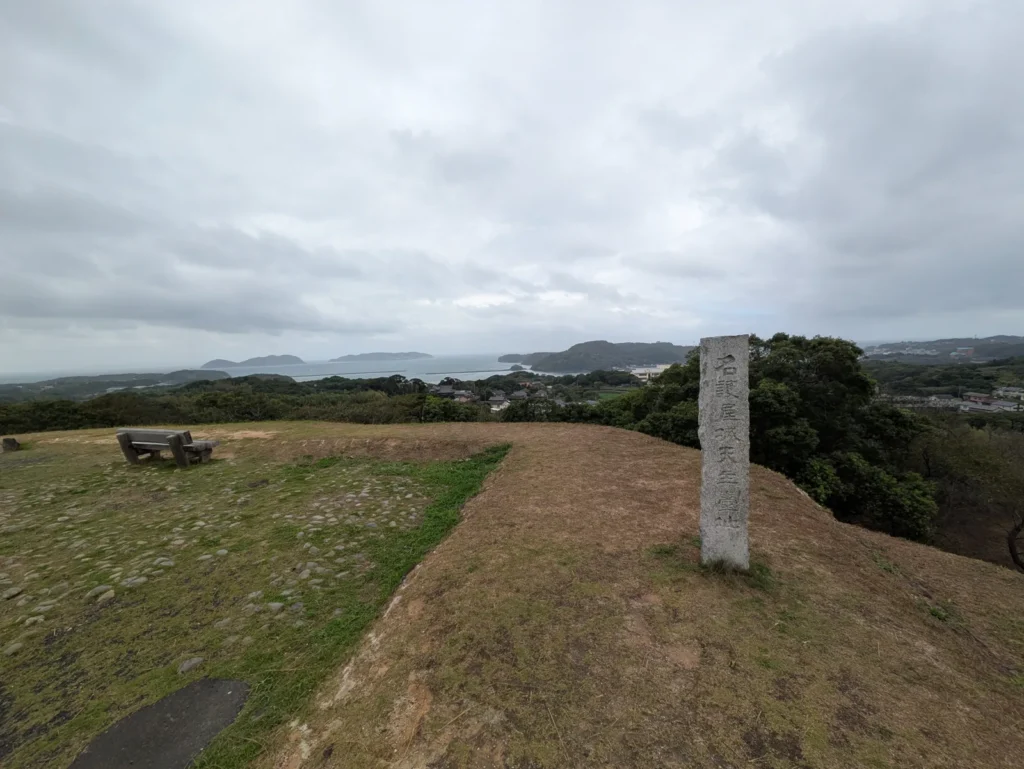
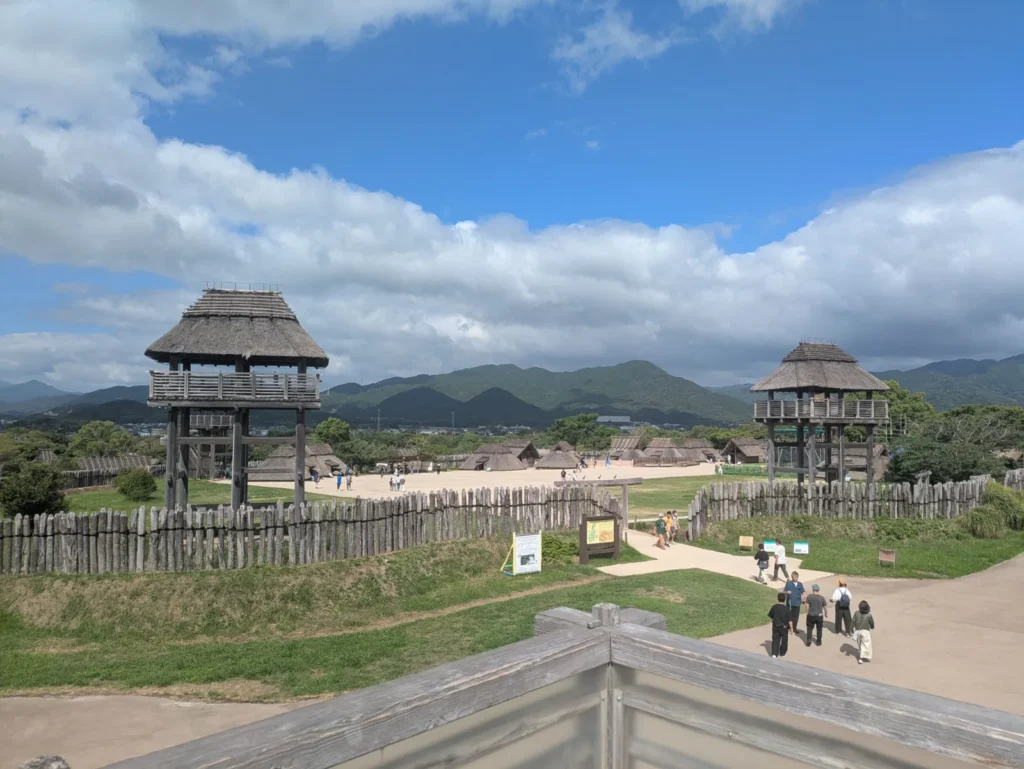
The keep foundation, where a huge five-tier, seven-story keep is said to have stood, looks out over the Genkai Sea and distant islands. Looking down from the keep on the camps of lords from all over Japan — standing there, you really understand that Hideyoshi built this castle to “show off” his overwhelming power. In the main bailey you can also see the site where horses and troops were assembled for inspection (umazoroe).
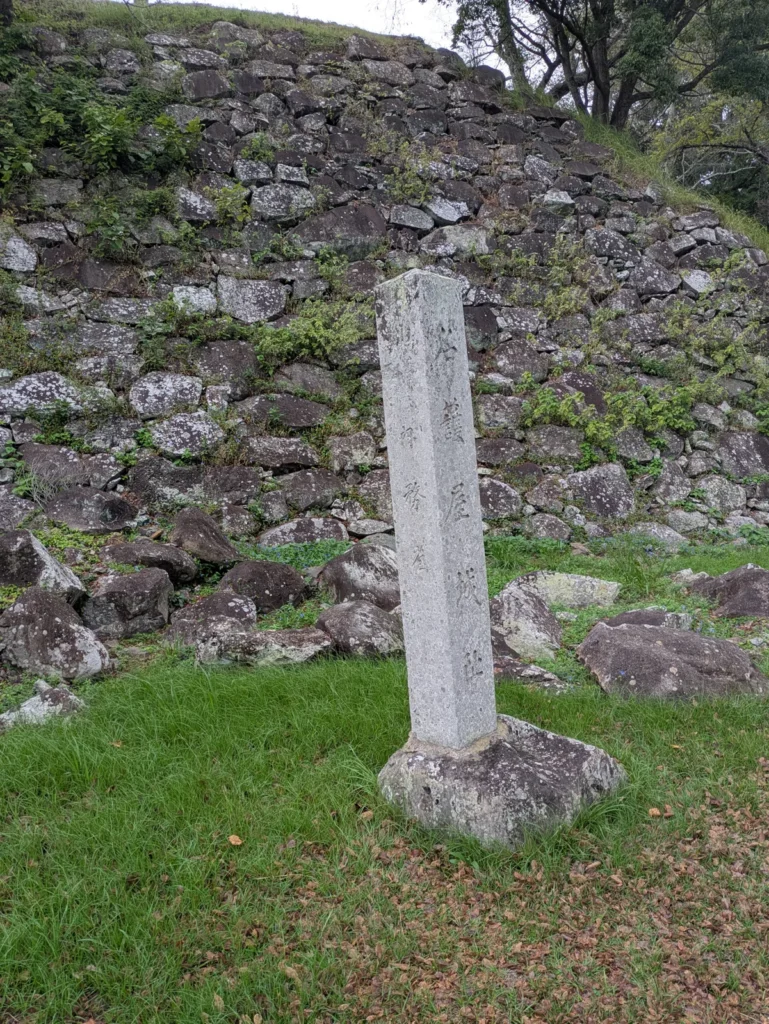
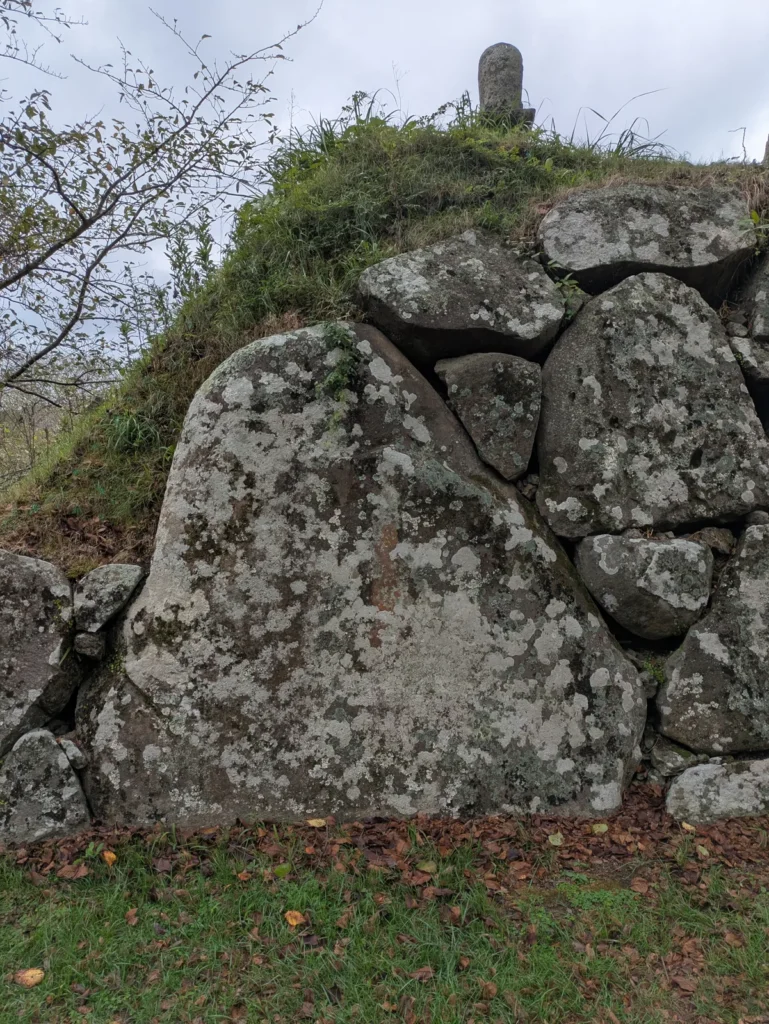
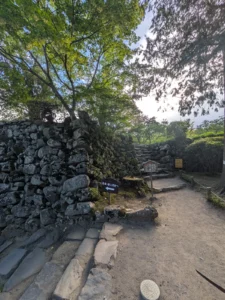
Stone walls still remain all over the ruins, and some sections are built of stones so large you have to look up at them. Even without a keep, the stone walls alone make you feel the scale of the castle.
In fact, if you look closely, the corners of these stone walls have been knocked down. After Hideyoshi’s death, the castle was dismantled in the early Edo period (a practice called hajō), and the walls are believed to have been deliberately broken. There are various theories as to why — to erase a symbol of Toyotomi authority, or to prevent it from being used as a base for rebellion. Just as Osaka Castle was buried by the Tokugawa and rebuilt on top, these broken walls seem to tell the story of power passing from the Toyotomi to the Tokugawa.
Dad’s take: The gathering place of the Sengoku all-stars was where the Toyotomi regime began to crack
Having just finished watching the NHK drama “Gunshi Kanbei,” Nagoya Castle was a special place for me. From here Hideyoshi ordered the invasion of Korea, and lords from all over Japan were gathered on this land — truly a “gathering of the Sengoku all-stars.”
Behind the scenes, however, Ishida Mitsunari and the other commissioners kept a close eye on the lords, and a rift gradually grew between them and the generals who crossed the sea to fight, such as Katō Kiyomasa and Kuroda Nagamasa. This conflict came to the surface after Hideyoshi’s death and eventually led to the Battle of Sekigahara.A glamorous castle, yet also the place that bred the “seeds of discontent” that would shake the Toyotomi regime — with that in mind, the view from the keep foundation looked completely different.
The Nagoya Castle Museum also displays a painting of Katō Kiyomasa, who fought desperate battles in Korea, reminding you of the harsh war behind this grand castle. If you love historical dramas or the Sengoku period, just imagining “what was each warlord thinking at that moment?” while gazing over the camp sites from the keep foundation makes the time fly.
Watch before you go: the NHK drama “Gunshi Kanbei”
To enjoy Nagoya Castle even more, we recommend the 2014 NHK taiga drama “Gunshi Kanbei” (starring Junichi Okada). It’s also available on Netflix (as of October 2026). It’s a weighty story about the life of Kuroda Kanbei, the strategist who helped Hideyoshi unify Japan, and in its final part Kyushu becomes the center of the story. Nagoya Castle and Fukuoka Castle also appear, so watching it before you visit makes standing in the ruins far more moving. We finished the drama after our trip, and while writing this article we regretted a little that we hadn’t watched it first (lol).
The museum: the Golden Tea Room and our son’s discovery
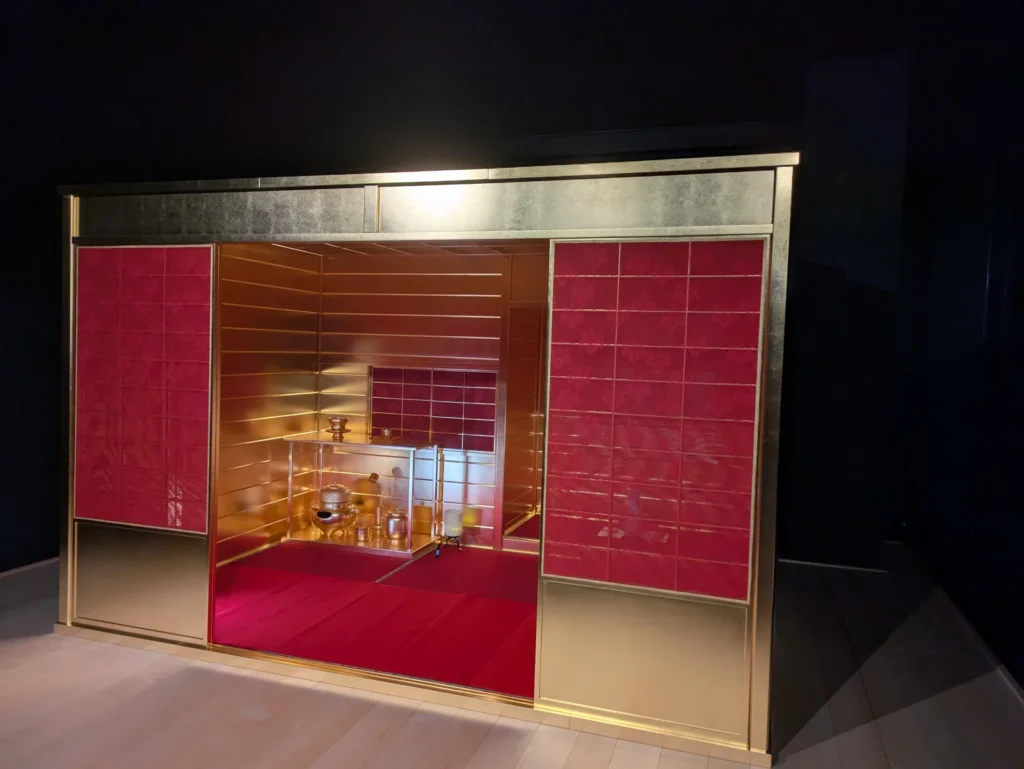
One of the Nagoya Castle Museum’s highlights is the “Golden Tea Room,” which is said to have also been brought to Nagoya Castle. It’s easy to be overwhelmed by all the gold, but when our son pointed it out and we looked closely, we found the Toyotomi family crest (the paulownia crest) in the details. You can sense how particular Hideyoshi was about displaying his authority to the lords.
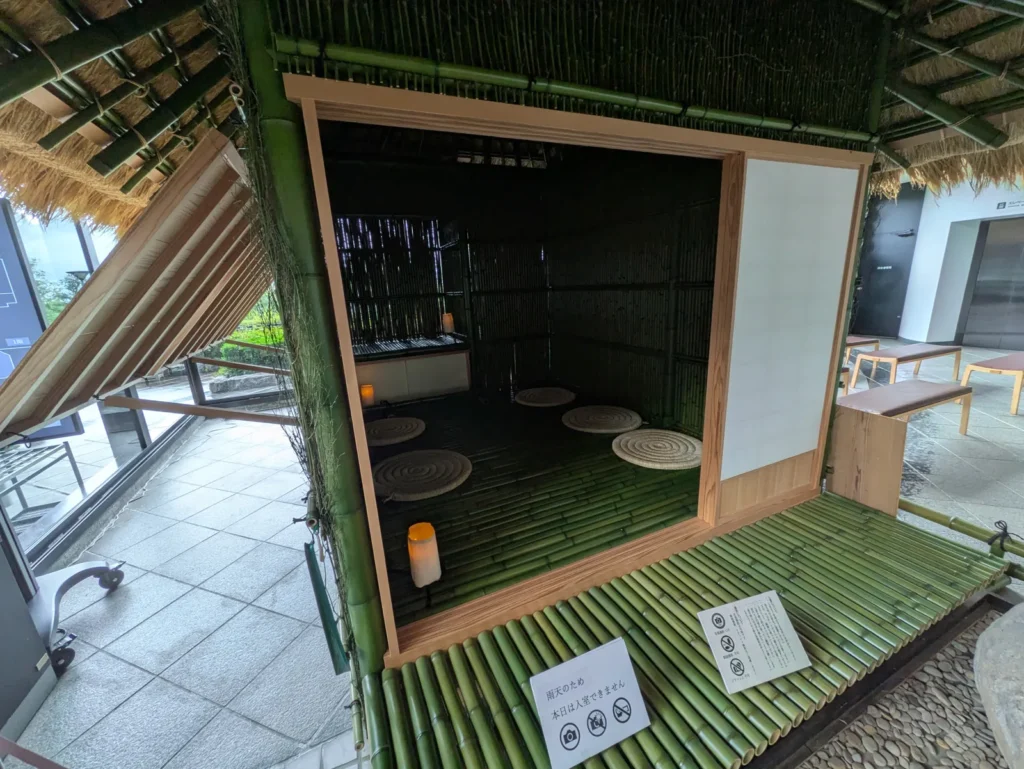
Near the Golden Tea Room there is also a reconstruction of a simple “sōan” thatched tea room made of bamboo and earthen walls. The dazzling golden tea room and the rustic wabi-sabi tea room are complete opposites, and comparing them gives you a glimpse of how Hideyoshi enjoyed the tea ceremony.
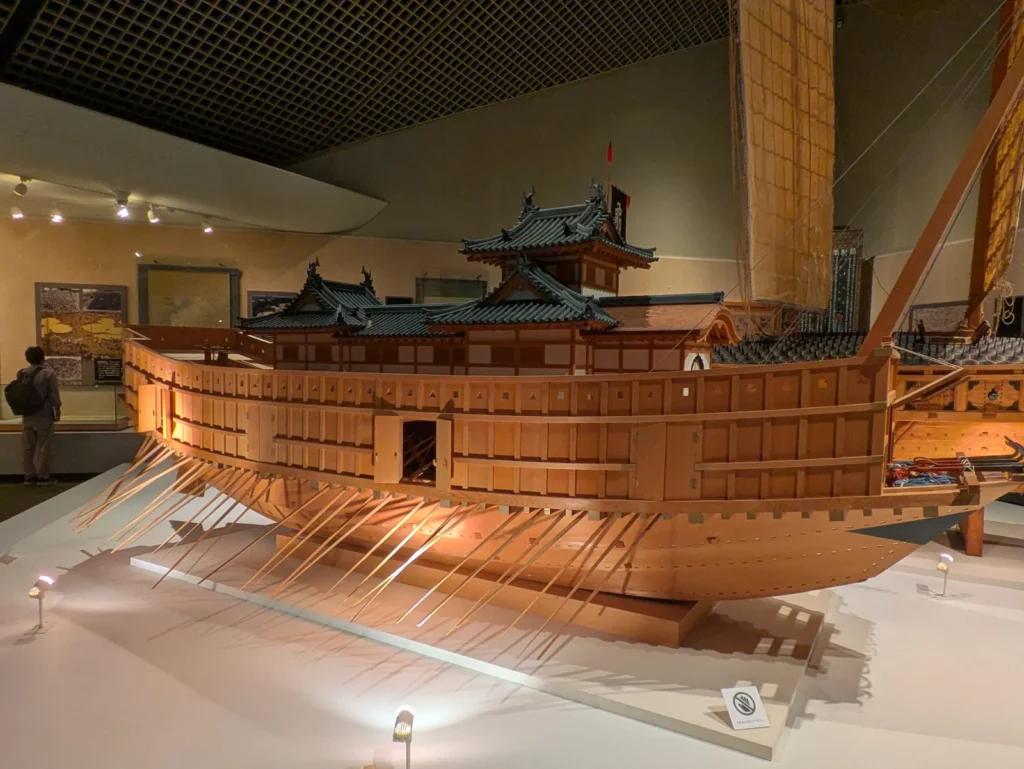
There are many other impressive exhibits too: ceramics showing the network of lords and merchants who gathered from across Japan (Seto and Mino ware, Bizen ware, Karatsu ware, and ceramics from China and the Korean Peninsula), the “Nagoya obi” sash that was made here and spread throughout Japan, and a model of an “atakebune,” a large warship with a tower built on deck.
Our son’s (8) reaction: hunting grasshoppers in the ruins
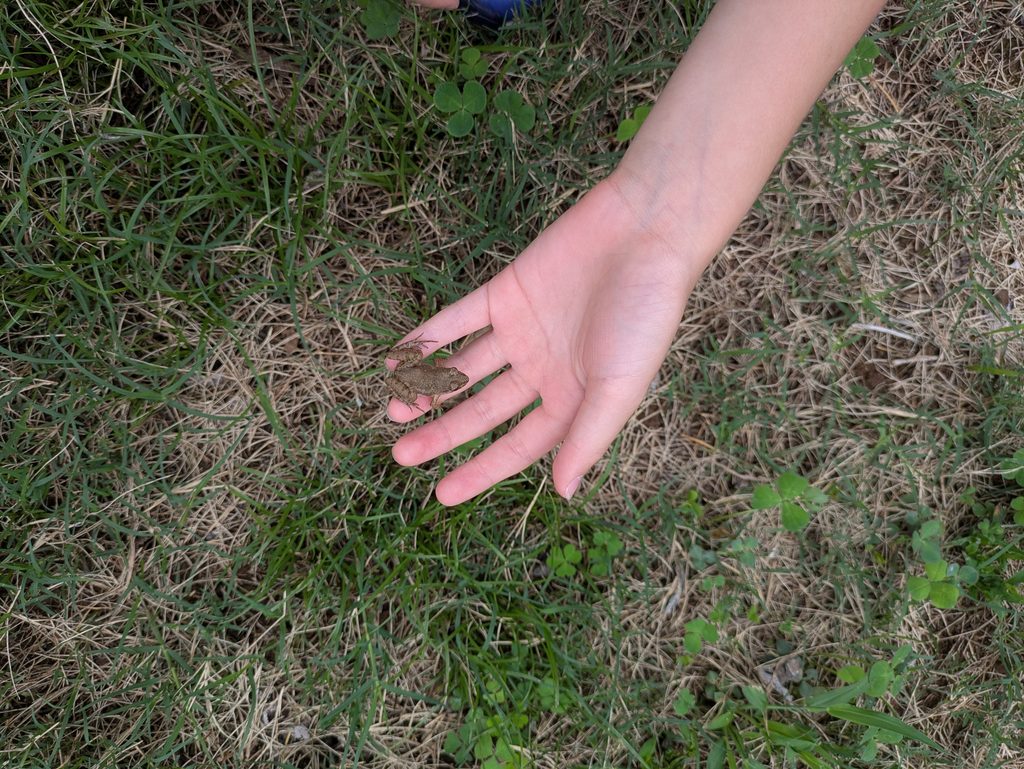
The ruins are full of nature, and our son was thrilled to catch grasshoppers in the grass. These wide ruins are a playground where kids can enjoy not only history but also bug hunting.
Where to find the stamp
The Top 100 Castles stamp is at the Saga Prefectural Nagoya Castle Museum. The museum is closed on Mondays (the next day if Monday is a holiday), so check before you go.
6. Lunch nearby and tips for families
The ruins are large and have few shady spots, so bring a hat and water
The museum is free, and you can take breaks while viewing the exhibits
For lunch, head toward Karatsu and try the local favorite, “Karatsu Burger”
7. Where to stay if you’re combining it with other sights
We stayed the night before at Mercure Saga Karatsu Resort and headed to Nagoya Castle first thing in the morning. Staying in Karatsu makes it easy to visit both Nagoya Castle and Karatsu Castle in one day.
Q. Is Nagoya Castle (Hizen) the same as Nagoya Castle in Aichi?
No, they are different castles. Nagoya Castle (Hizen) is Toyotomi Hideyoshi’s castle in Karatsu, Saga, while Nagoya Castle in Nagoya, Aichi was built on the orders of Tokugawa Ieyasu.
Q. What is the connection between Nagoya Castle and Kuroda Kanbei?
Nagoya Castle is said to have been laid out (designed) by Kuroda Kanbei on Toyotomi Hideyoshi’s orders. If you’ve watched the drama “Gunshi Kanbei,” be sure to walk the vast ruins Kanbei designed and the camp sites where lords from all over Japan gathered.
Q. How long does Nagoya Castle take?
It took us about 2 hours 30 minutes to see the ruins and the museum at a relaxed pace. Just the keep foundation and the museum take about 1 hour.
Q. Where is the Top 100 Castles stamp?
At the Saga Prefectural Nagoya Castle Museum.
Q. Is there an admission or parking fee?
Walking the ruins and the museum’s permanent exhibition are free, and there is free parking (as of September 2026).
Q. How do I get from Nagoya Castle to Karatsu Castle?
You can drive. We stopped for a Karatsu Burger lunch on the way to Karatsu Castle.
9. Summary & nearby castles
Nagoya Castle is a huge ruin that embodies Hideyoshi’s power. The view from the keep foundation and the free Nagoya Castle Museum (with the Golden Tea Room) are must-sees. The stamp is at the museum, and a relaxed visit took us about 2 hours 30 minutes.
One thing we realized on this trip is that Kyushu is full of castles connected to Kuroda Kanbei. There’s Fukuoka Castle, built by Kanbei and his son Nagamasa; Saga Castle, where the “Chikuzen Moat,” said to have been dug with Kanbei’s help, remains; and Nagoya Castle, said to have been laid out by Kanbei. In Oita Prefecture there’s also Nakatsu Castle, built by Kanbei. If you’ve watched “Gunshi Kanbei,” try linking Kyushu’s castles into a “Kanbei castle tour” — scenes from the drama will overlap with the ruins in front of you, making it far more fun.



Comments