We visited Hiroshima Castle (Hiroshima City, Hiroshima Prefecture) with our 8-year-old son during Japan’s Silver Week holidays in September 2026. Hiroshima Castle’s keep closed on March 22, 2026, so you can’t go inside. Even so, you can enjoy the free reconstructed buildings of the Ninomaru (second bailey), the wide moat and stone walls, and the exterior of the keep. In short: we spent about 45 minutes. The Japan’s Top 100 Castles stamp was right in front of the keep.
Key points (as of September 2026)
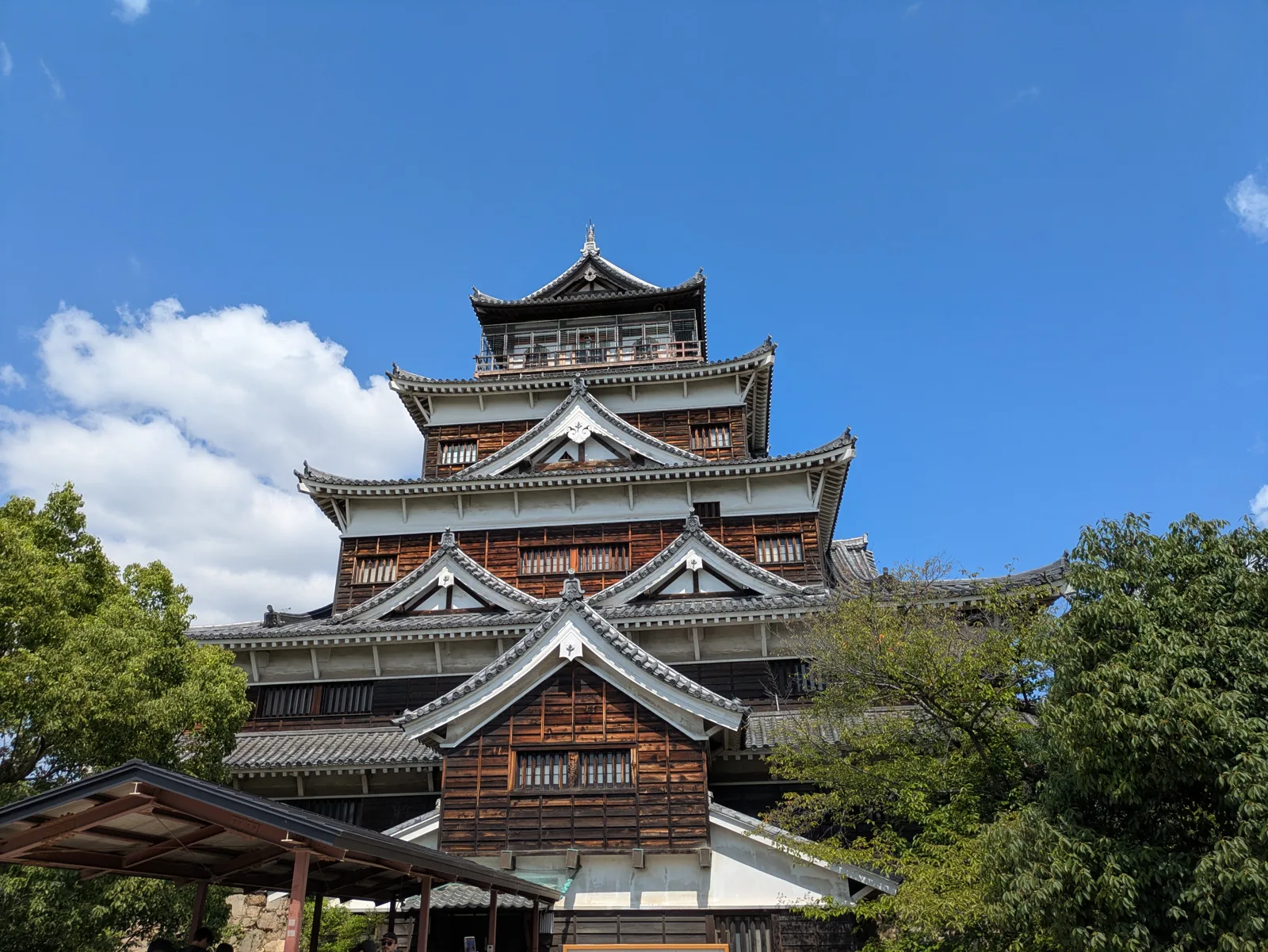
Keep: closed on March 22, 2026. You can’t go inside (you can see the exterior)
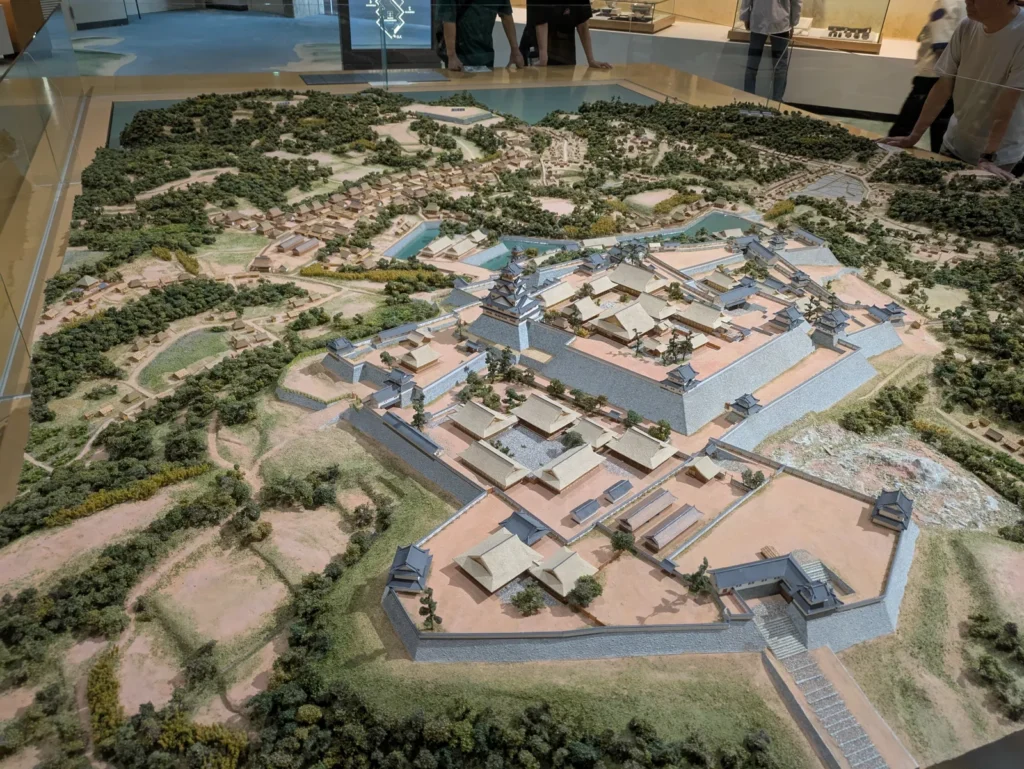
New exhibition facility: the keep’s collections are scheduled to move to the “Hiroshima Castle Sannomaru History Museum” (planned to open in 2027)
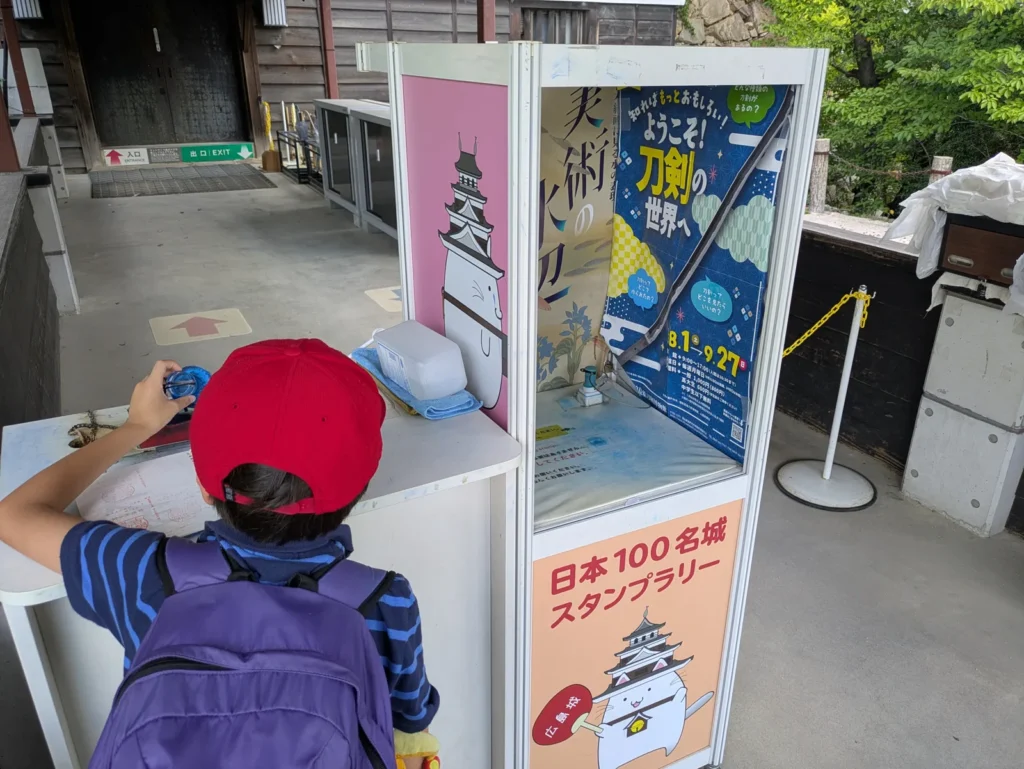
Stamp: the Top 100 Castles stamp was right in front of the keep
Time needed: our actual stay was about 45 minutes (Ninomaru, keep exterior and around the moat)
Fees: the Ninomaru is free. April–September 9:00–17:30, October–March 9:00–16:30
Access: about a 15-minute walk from the “Kamiya-cho-higashi” streetcar stop
TOC
1. Basic information before you go
Castle (number)
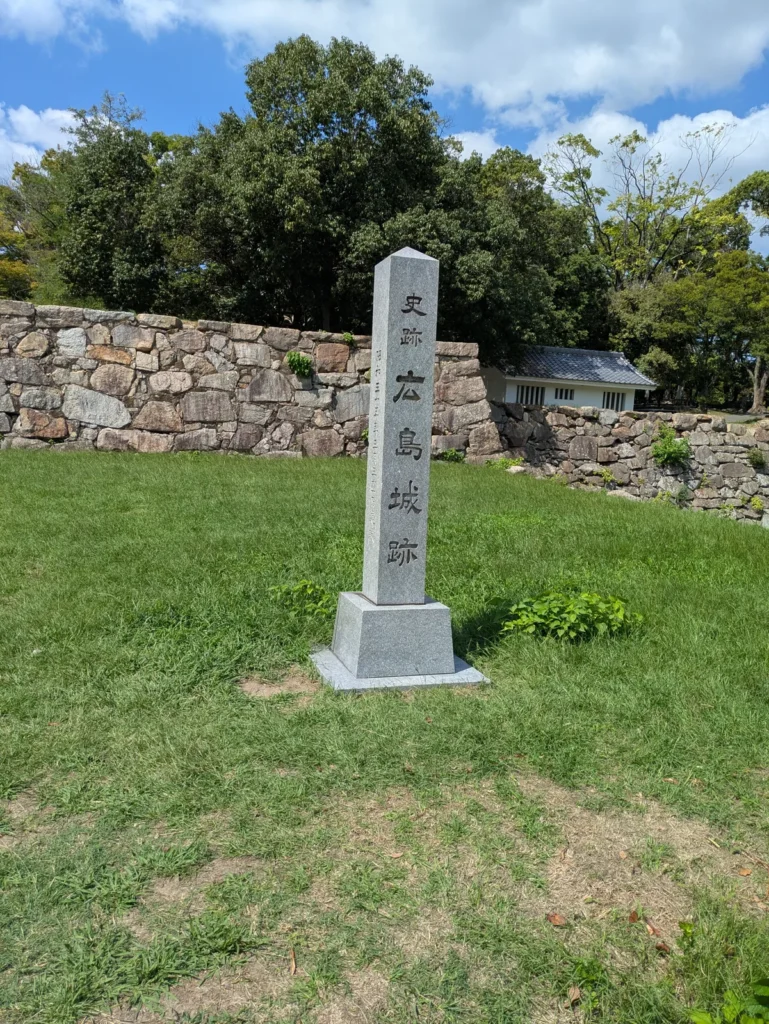
Hiroshima Castle (Japan’s Top 100 Castles No. 73)
Nickname / location
Rijō (“Carp Castle”) / Motomachi, Naka-ku, Hiroshima City, Hiroshima Prefecture
Builder / year
Mōri Terumoto / construction began in 1589
Main highlights
Keep (exterior only), Ninomaru’s Omote-gomon Gate, Hira-yagura, Tamon-yagura and Taiko-yagura turrets (reconstructed, free to enter), water moat, stone walls, Hiroshima Gokoku Shrine
Stamp location
Right in front of the keep (when we visited in September 2026)
Time needed
Our actual stay: about 45 minutes (normal pace)
Fees / opening hours
The Ninomaru is free. April–September 9:00–17:30, October–March 9:00–16:30 (as of September 2026)
2. Hiroshima Castle’s keep is closed: what can you see now?
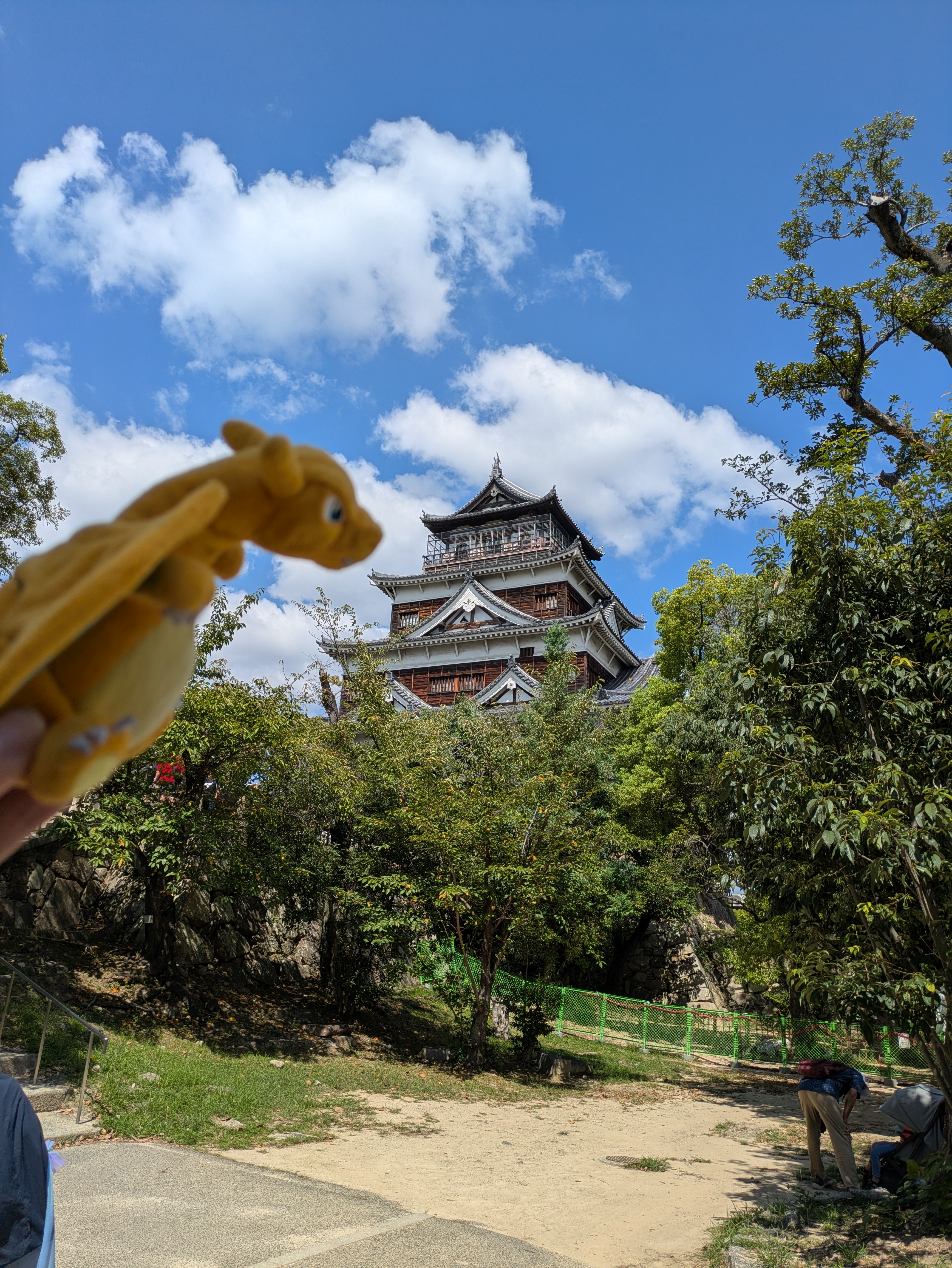
Due to aging and other reasons, Hiroshima Castle’s keep closed on March 22, 2026. The materials inside the keep are scheduled to move to the “Hiroshima Castle Sannomaru History Museum,” planned to open in 2027. We had been looking forward to going inside the keep, so honestly we were quite disappointed. When we visited, scaffolding had been set up near the top of the keep.
Still, it’s well worth a visit.
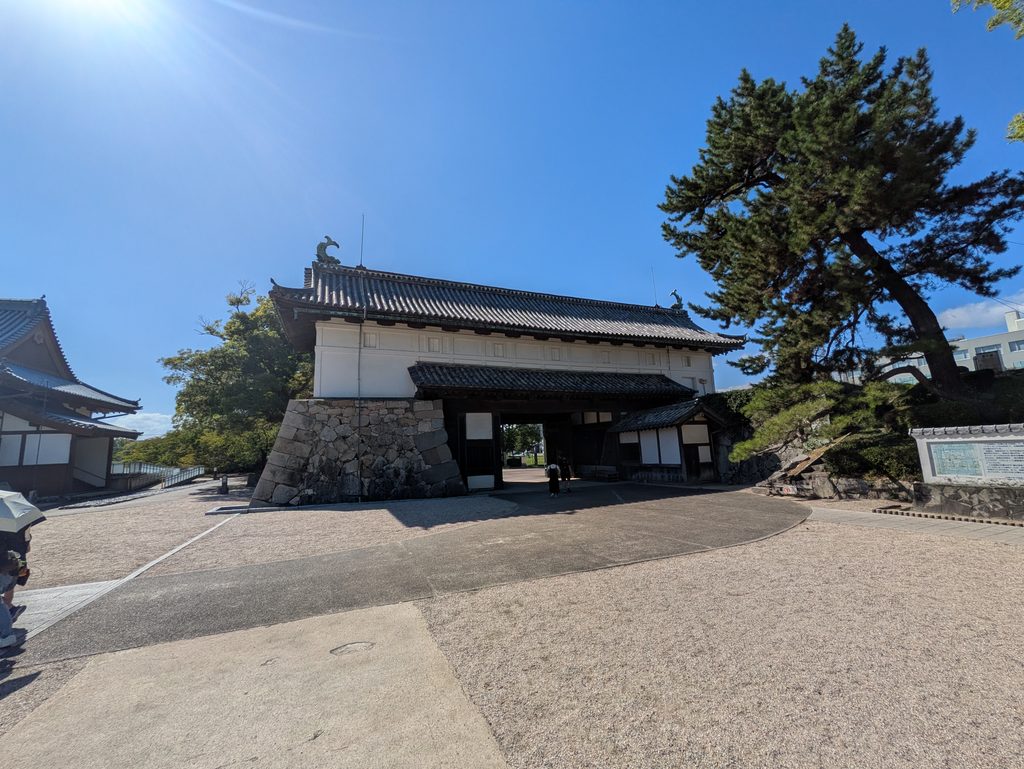
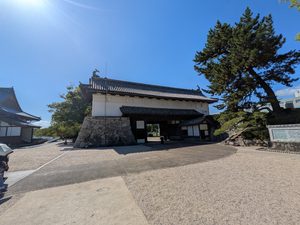
Reconstructed Ninomaru buildings: the Omote-gomon Gate, Hira-yagura, Tamon-yagura and Taiko-yagura are free to enter. You can see traditional wooden architecture up close, such as thick pine beams and loopholes (sama)
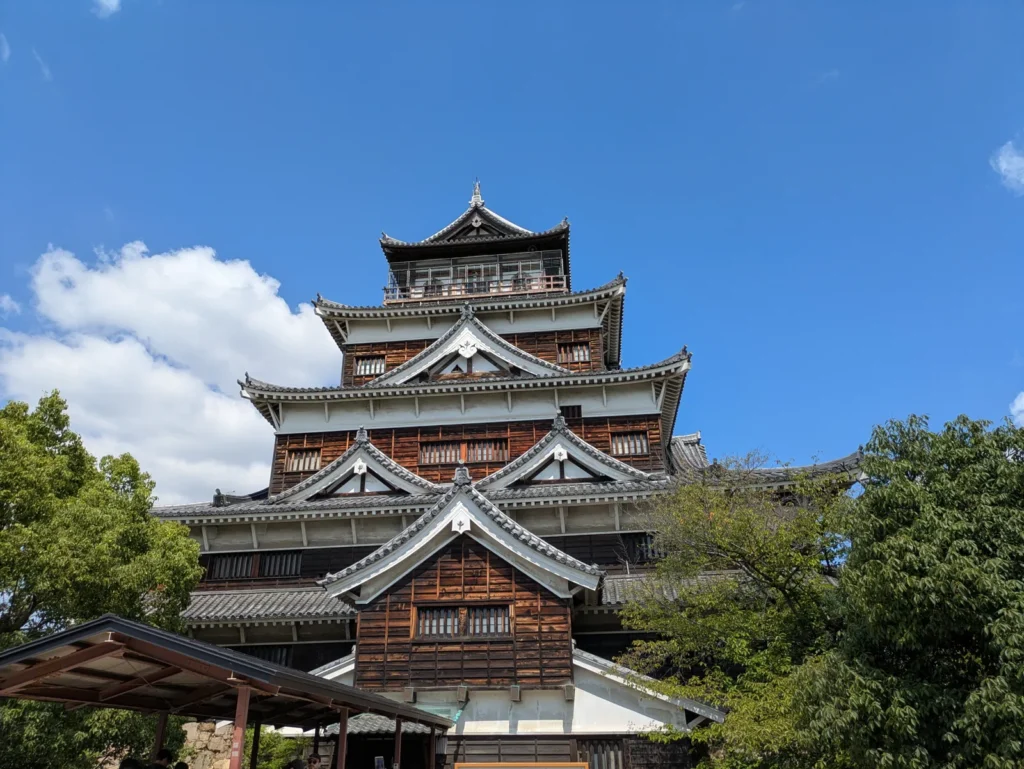
Exterior of the keep: seen between the green trees, the keep looks great against a blue sky
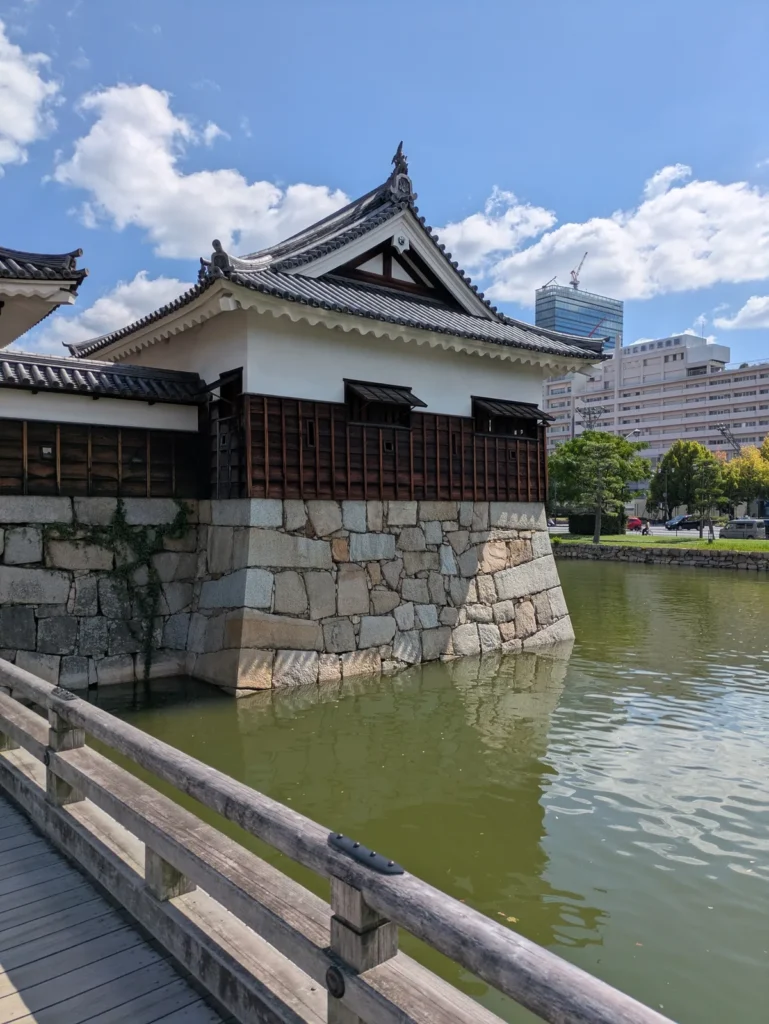
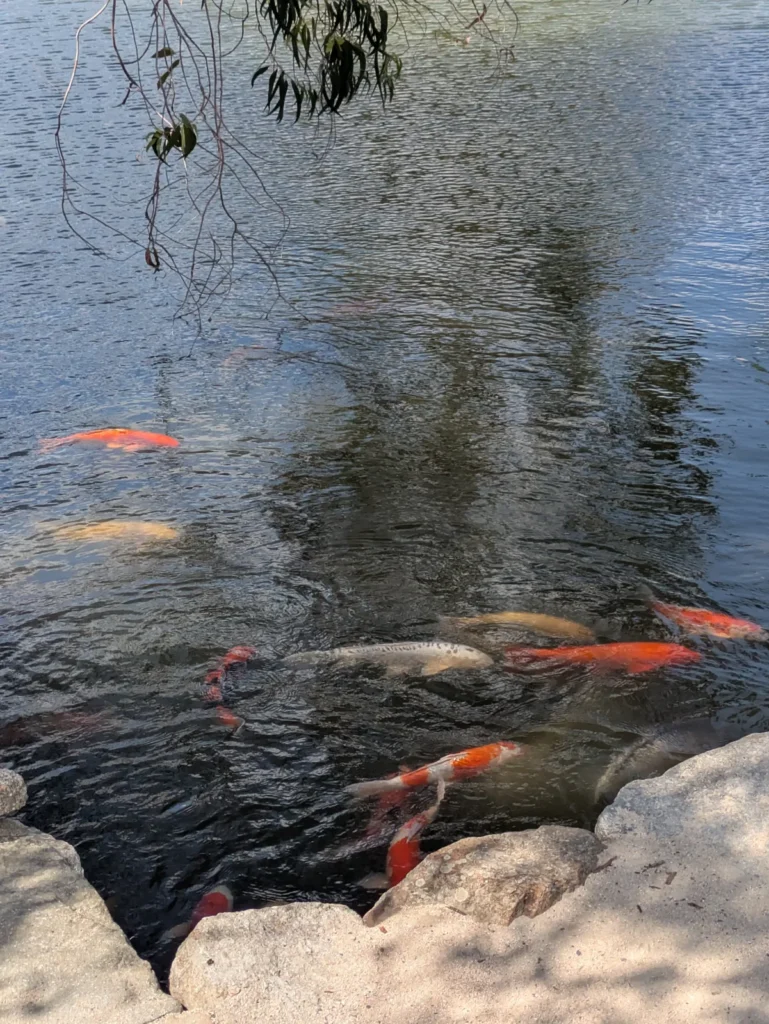
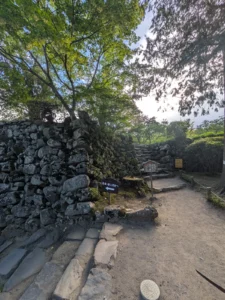
Moat and stone walls: the very wide water moat and stone walls are impressive, and the moat is full of colorful carp
Top 100 Castles stamp: we pressed it right in front of the keep
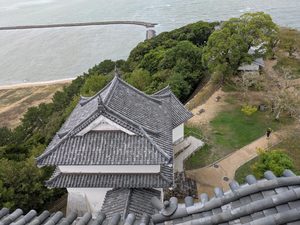
The Taiko-yagura turret of the Ninomaru and the wide moat. Even without going inside the keep, the scenery of stone walls, turrets and moat gives you plenty of castle atmosphere.
Check the official Hiroshima Castle website for the latest opening information before you go.
3. How long does Hiroshima Castle take?
After arriving at Hiroshima Station and stopping by the Pokémon Center, we headed to Hiroshima Castle before lunch. Seeing the Ninomaru buildings, the keep’s exterior and the area around the moat took about 45 minutes.
Quick visit (about 30 minutes): Ninomaru → stamp in front of the keep → view the exterior
Normal (about 45 minutes to 1 hour): go inside the Ninomaru buildings, then stroll around the moat and Gokoku Shrine
If you do the puzzle game (extra time): get the walking puzzle kit “The Mystery of the Old Document Sleeping in Carp Castle” at the Ninomaru museum shop before you start
4. Access and parking
From Hiroshima Station, take the streetcar to “Kamiya-cho-higashi” and walk about 15 minutes. It’s close to the Atomic Bomb Dome and the downtown area, so it’s an easy castle to visit while sightseeing in the city. If you come by car, use one of the paid parking lots nearby.
Our hotel that day was in the Atomic Bomb Dome direction, so we walked around with our suitcases. If you have a lot of luggage, use the coin lockers at Hiroshima Station to get around more easily.
5. Highlights and our visit (with a look at the castle’s design)
Dad’s take: why it’s called “Carp Castle”
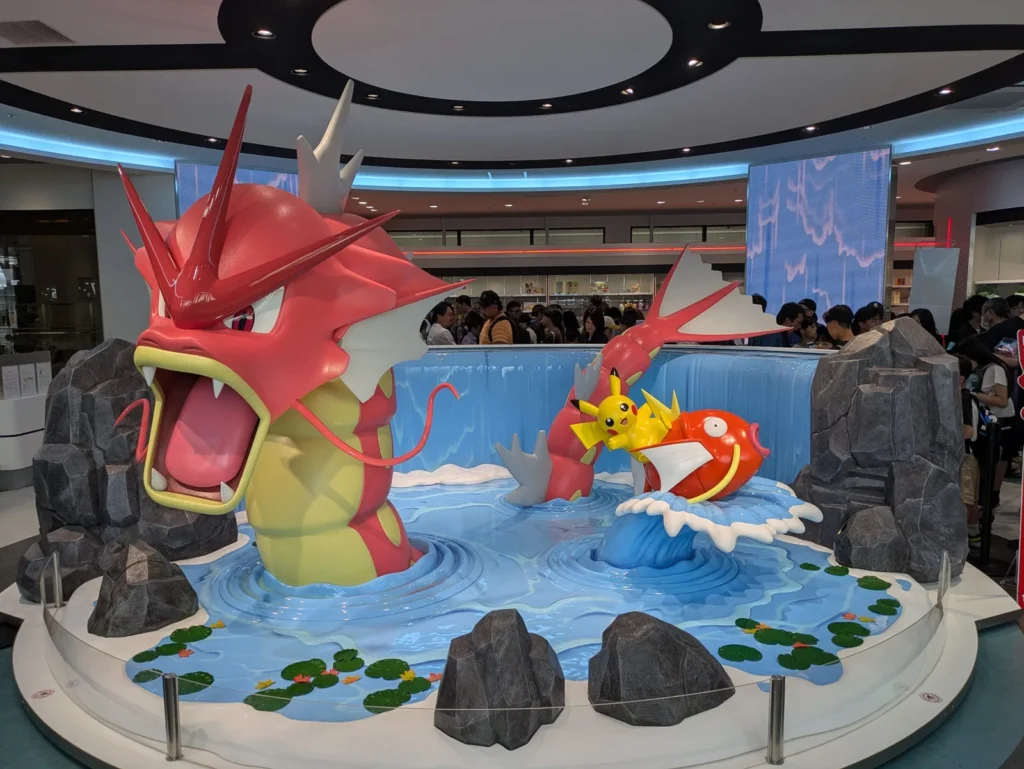
Hiroshima Castle was built by Mōri Terumoto on the delta of Hiroshima, and its nickname is “Rijō” (Carp Castle). When you peer into the moat, true to the name, lots of colorful carp swim up to you. There’s even a bronze carp statue on the grounds — Hiroshima really is a carp city. Come to think of it, at Pokémon Center Hiroshima at the station, we were greeted at the entrance by a bright red Gyarados and Pikachu. Magikarp climbs a waterfall and evolves into Gyarados. For a carp city like Hiroshima, the local favorite Pokémon has to be Magikarp and Gyarados (lol).
So why is Hiroshima Castle called “Carp Castle”? There are several theories: that the area around the castle was once called “Koi-ura” (koi also means carp), that the moat had many carp, or that the black keep looked like a carp. The name of the professional baseball team, the Hiroshima Toyo Carp, is also said to come from this Carp Castle.
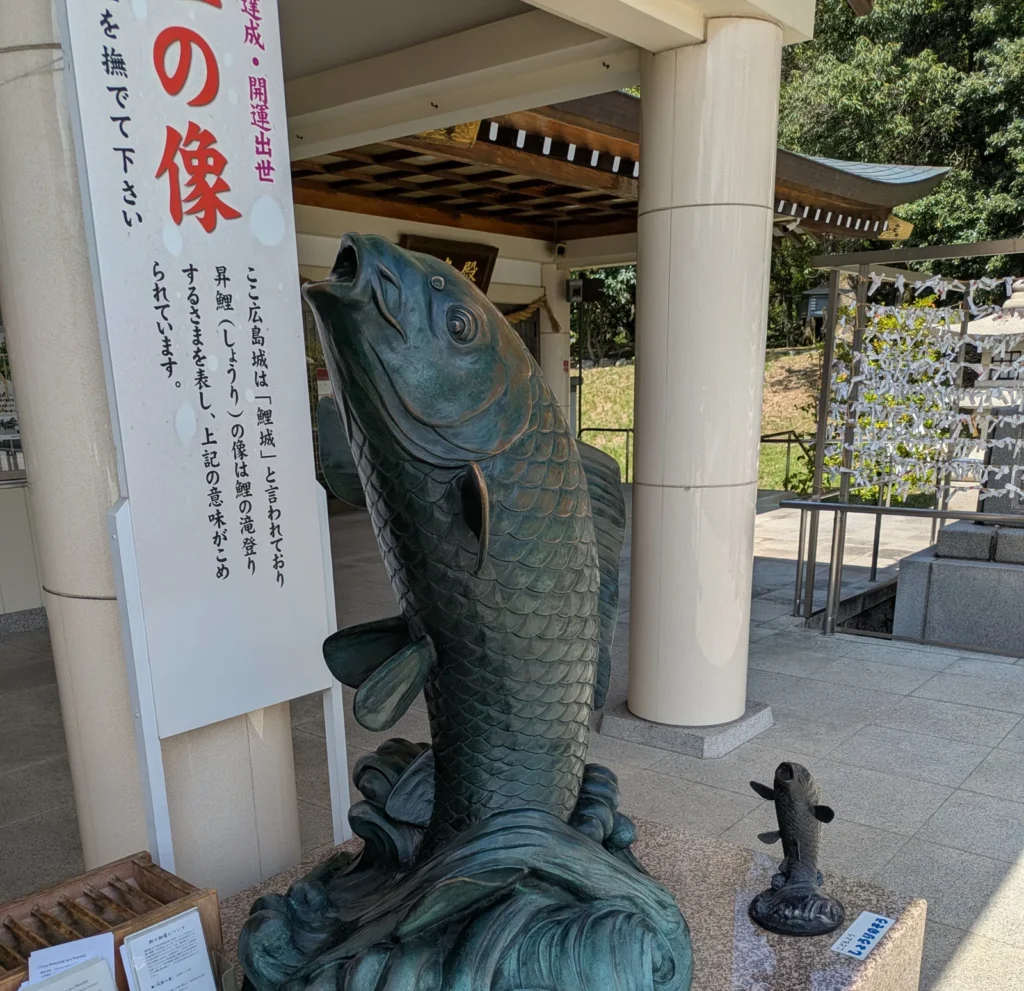
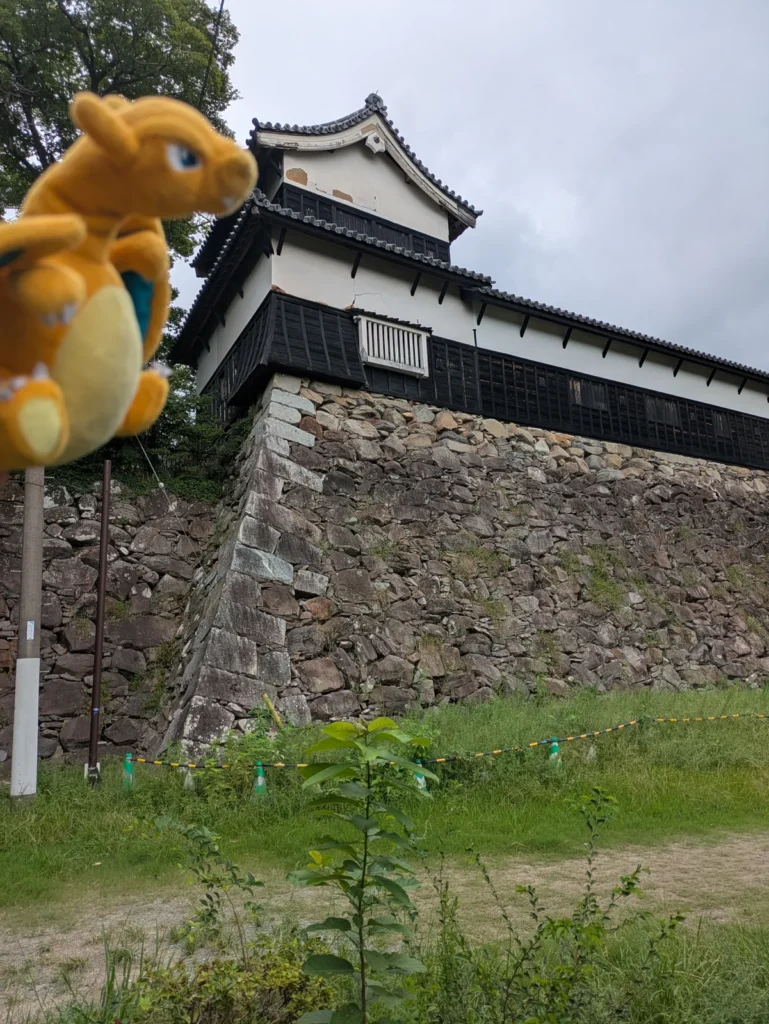
Hiroshima Gokoku Shrine, on the castle grounds, has a “Rising Carp” statue. It depicts a carp climbing a waterfall, and based on the legend of the “Dragon Gate” — a carp that climbs the waterfall becomes a dragon — it carries wishes for good fortune and success in life. Magikarp evolving into Gyarados is also said to be inspired by this “carp climbing the waterfall” legend. So there really is a reason Hiroshima loves carp! At the foot of the statue, our Charizard posed for a photo too (lol).
It’s a flatland castle surrounded by a wide water moat and stone walls. In the reconstructed Ninomaru buildings, you can see up close both the defensive features, such as loopholes for aiming at enemies, and the beauty of the architecture, such as massive pine beams.
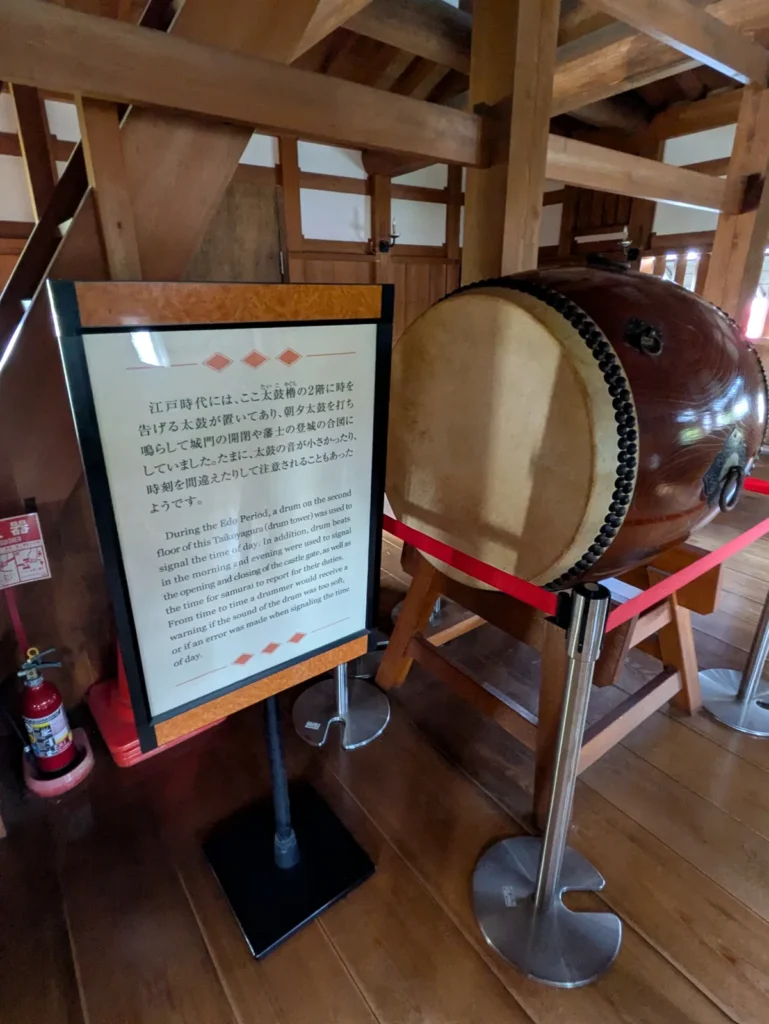
A large drum sits inside the Taiko-yagura (drum turret). True to its name, it is said to have been the turret where drums were beaten to announce the time and other signals.
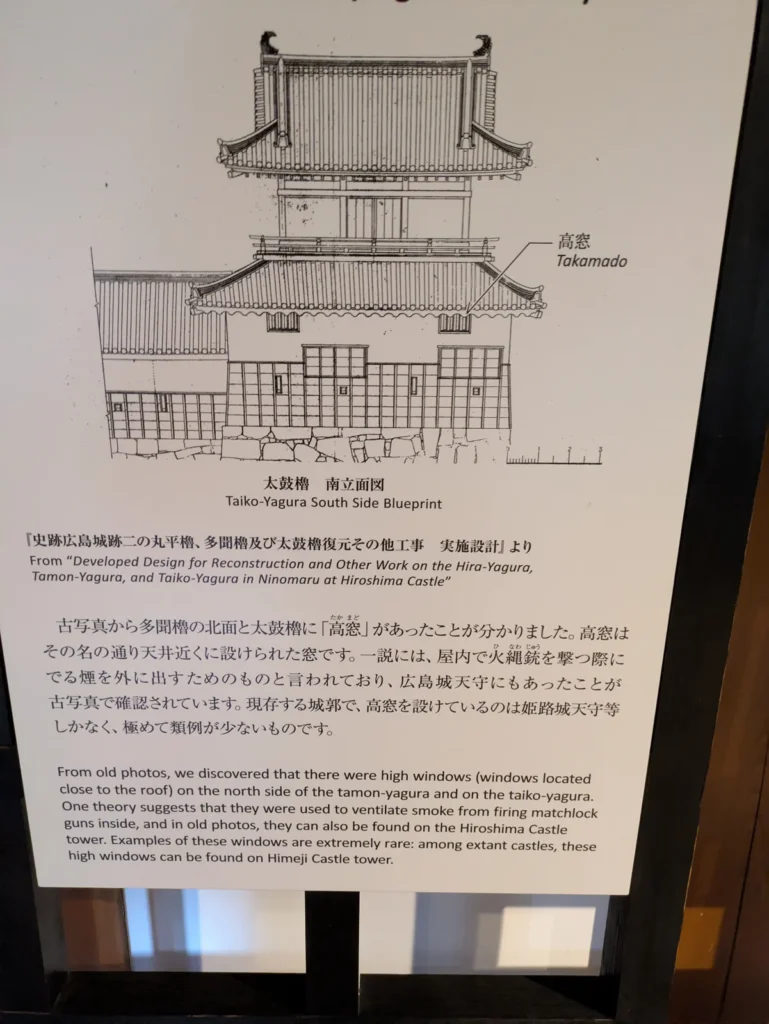
According to the sign, old photographs show that the Tamon-yagura and Taiko-yagura had “high windows” located close to the roof. One theory is that they were used to let out smoke from firing matchlock guns indoors, and among surviving castles, such windows are extremely rare — found only on places like the keep of Himeji Castle.
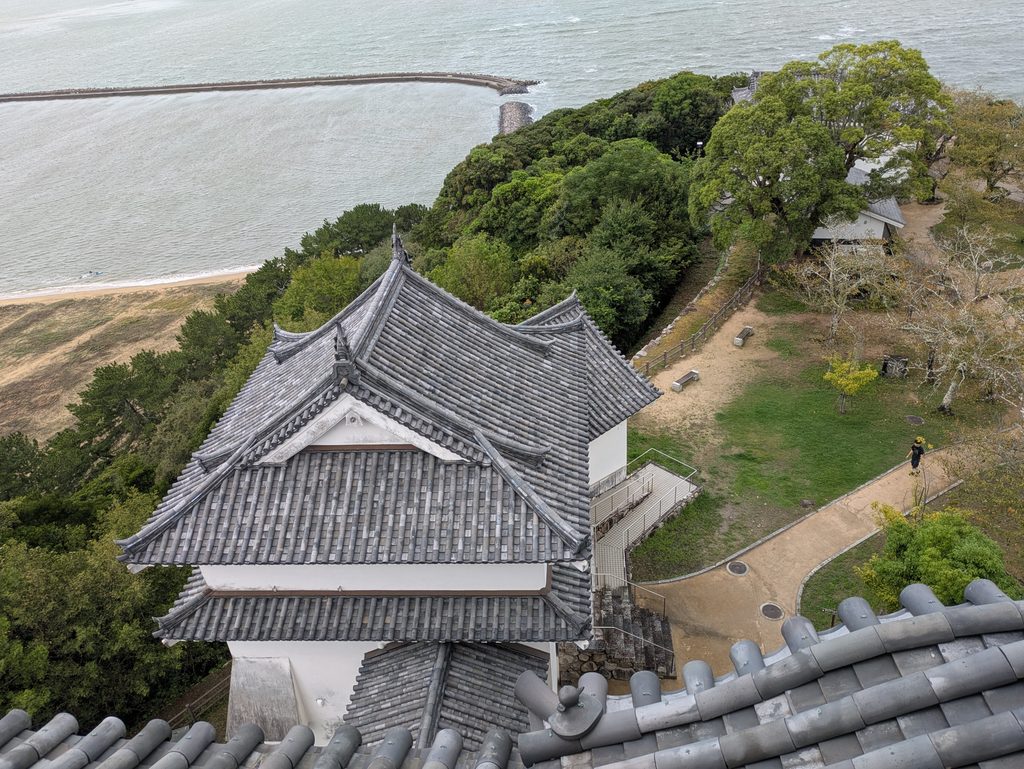
Our son peeked out of the turret windows and looked down at the moat, feeling just like a soldier guarding the castle.
Get the puzzle kit “first”
At the Ninomaru museum shop, you can get a kit for a puzzle game that takes you around the castle grounds. We wanted to try it, but we went around in the wrong order, and going back would have been tough, so we skipped it this time. If you want to do it, we recommend picking it up at the Ninomaru before you start exploring.
Hiroshima Gokoku Shrine
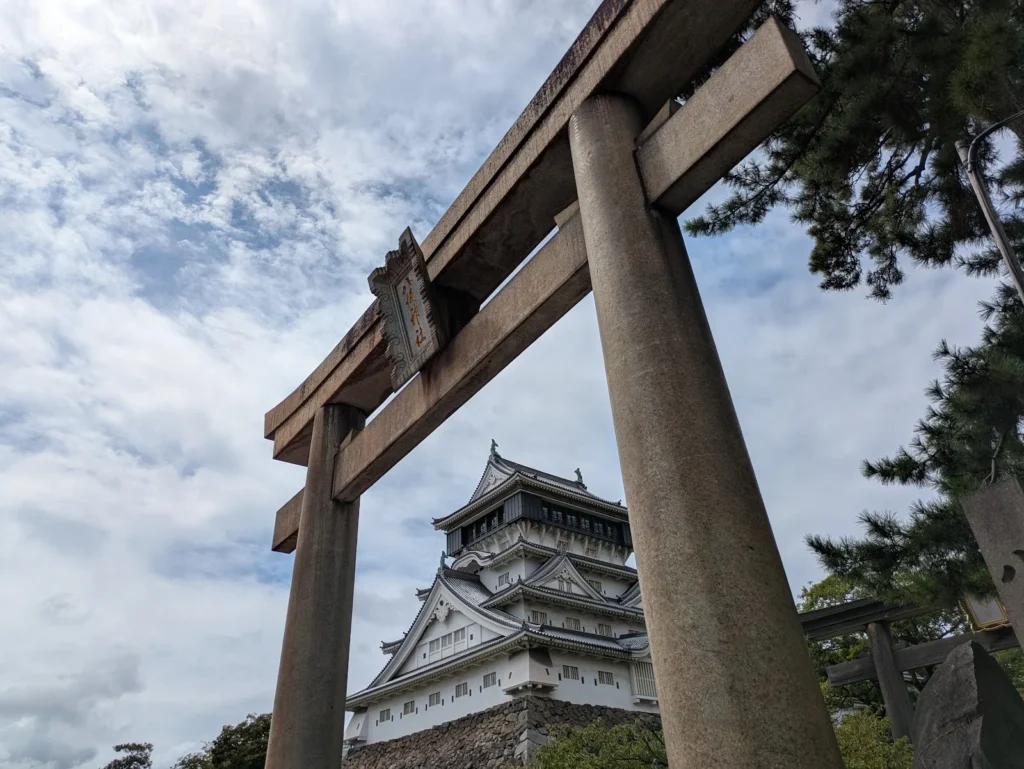
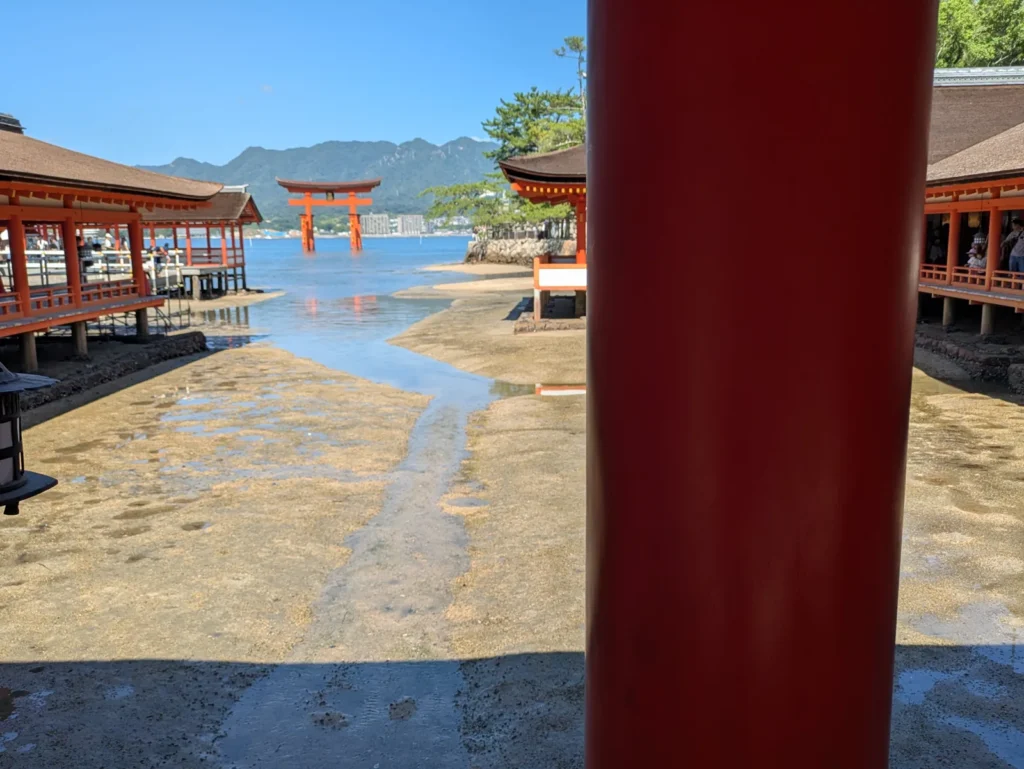
Hiroshima Gokoku Shrine is also on the castle grounds, and you can walk through its impressive torii gate. It’s a popular walking route for locals and had a relaxed atmosphere.
Travel side story: the whole city turns red for the “Carp vs. Giants” game
Walking through the city after leaving the castle, we passed lots of Carp fans in their uniforms. That day there happened to be a Carp vs. Giants day game at Mazda Stadium, and even the streetcars and the area around the station were dyed red. We really felt how popular the Carp, the city’s hometown team, is.
Where to find the stamp
The Top 100 Castles stamp was right in front of the keep (when we visited in September 2026). Even with the keep closed, you can still get the stamp.
6. Lunch nearby and tips for families
For lunch, we had Onomichi ramen near the soccer stadium (EDION Peace Wing Hiroshima). It’s a rich bowl of soy-sauce soup topped with large bits of pork back fat. Afterwards, we walked to the Atomic Bomb Dome and Peace Memorial Park.
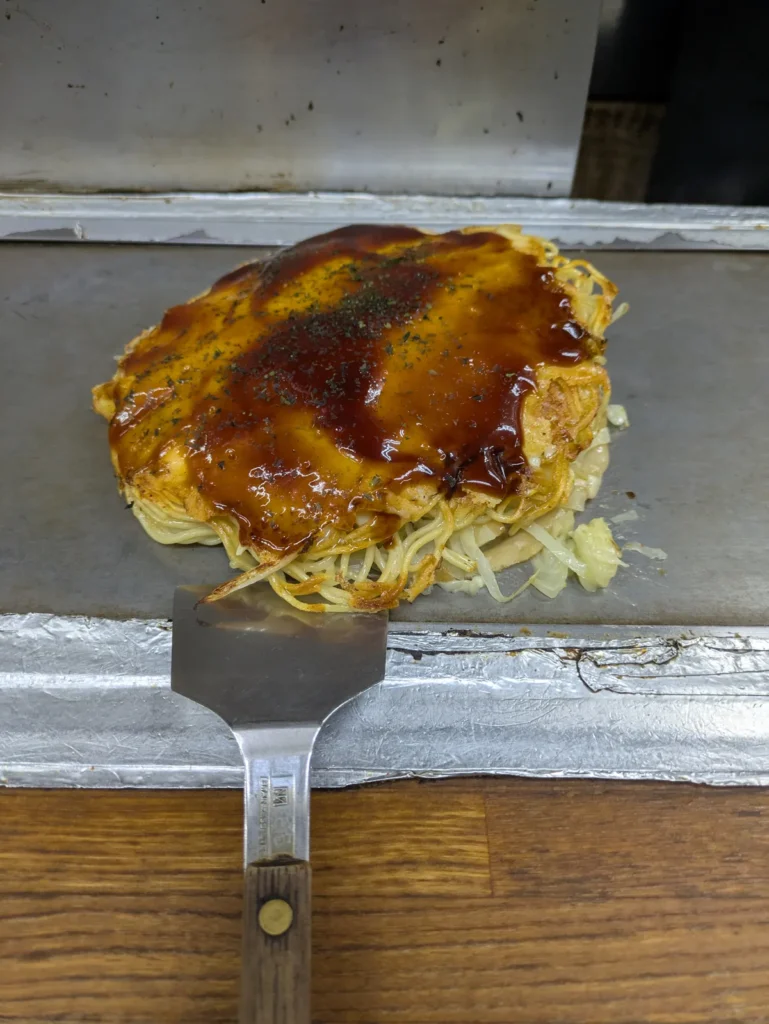
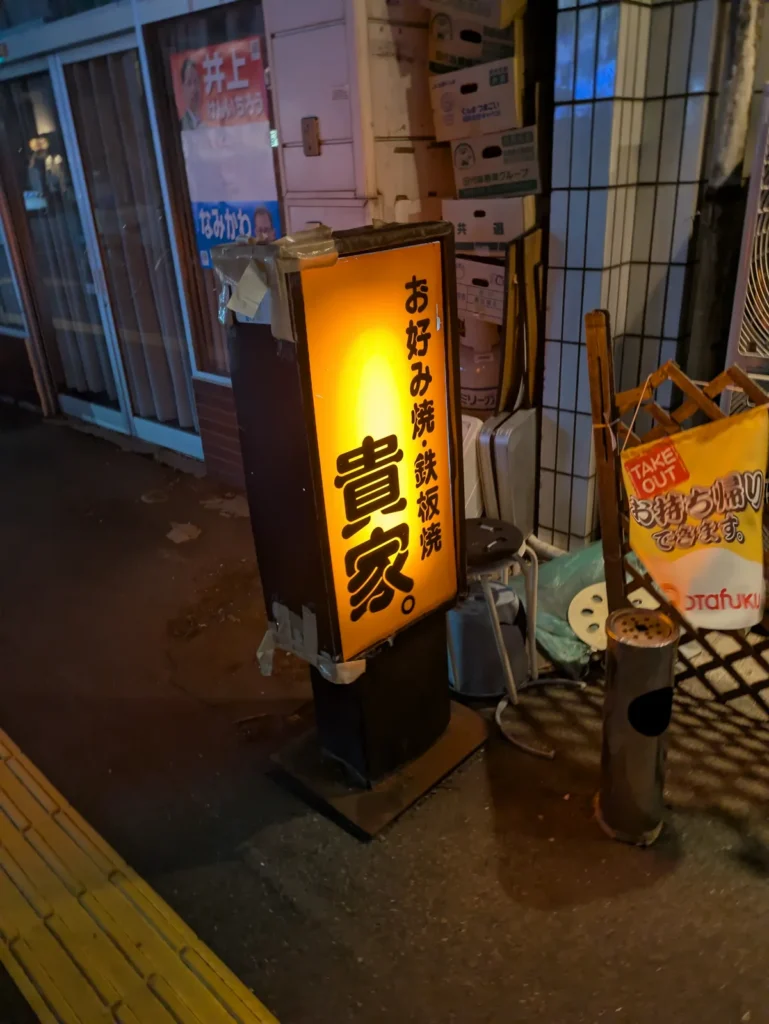
For dinner, we had Hiroshima’s specialty, okonomiyaki. At “Takaya,” we ate Hiroshima-style okonomiyaki with noodles straight off the hot griddle.
The Ninomaru buildings are free, so kids can pop in easily
Kids love watching the carp in the moat
Get the puzzle kit before you start exploring
7. Where to stay if you’re combining it with other sights
We stayed at the Hilton Hiroshima that night. With an indoor pool and sauna, and live music at the bar in the evening, it’s a very satisfying hotel for both families and adults.
No. The keep closed on March 22, 2026. Its collections are scheduled to move to the “Hiroshima Castle Sannomaru History Museum,” planned to open in 2027.
Q. Can I get the stamp even though the keep is closed?
Yes. When we visited in September 2026, the stamp was right in front of the keep.
Q. How long does Hiroshima Castle take?
About 45 minutes for the Ninomaru, the keep’s exterior and the area around the moat.
Q. Is there an admission fee?
The Ninomaru is free. Open 9:00–17:30 from April to September and 9:00–16:30 from October to March (as of September 2026).
Q. How do I get there from Hiroshima Station?
Take the streetcar to “Kamiya-cho-higashi” and walk about 15 minutes.
9. Summary & nearby sights
Although the keep is closed, you can still enjoy Hiroshima Castle’s free reconstructed Ninomaru buildings, the wide moat and its carp, and the keep’s exterior. The stamp is right in front of the keep, and the visit takes about 45 minutes. We recommend combining it with the Atomic Bomb Dome and Peace Memorial Park.




Comments