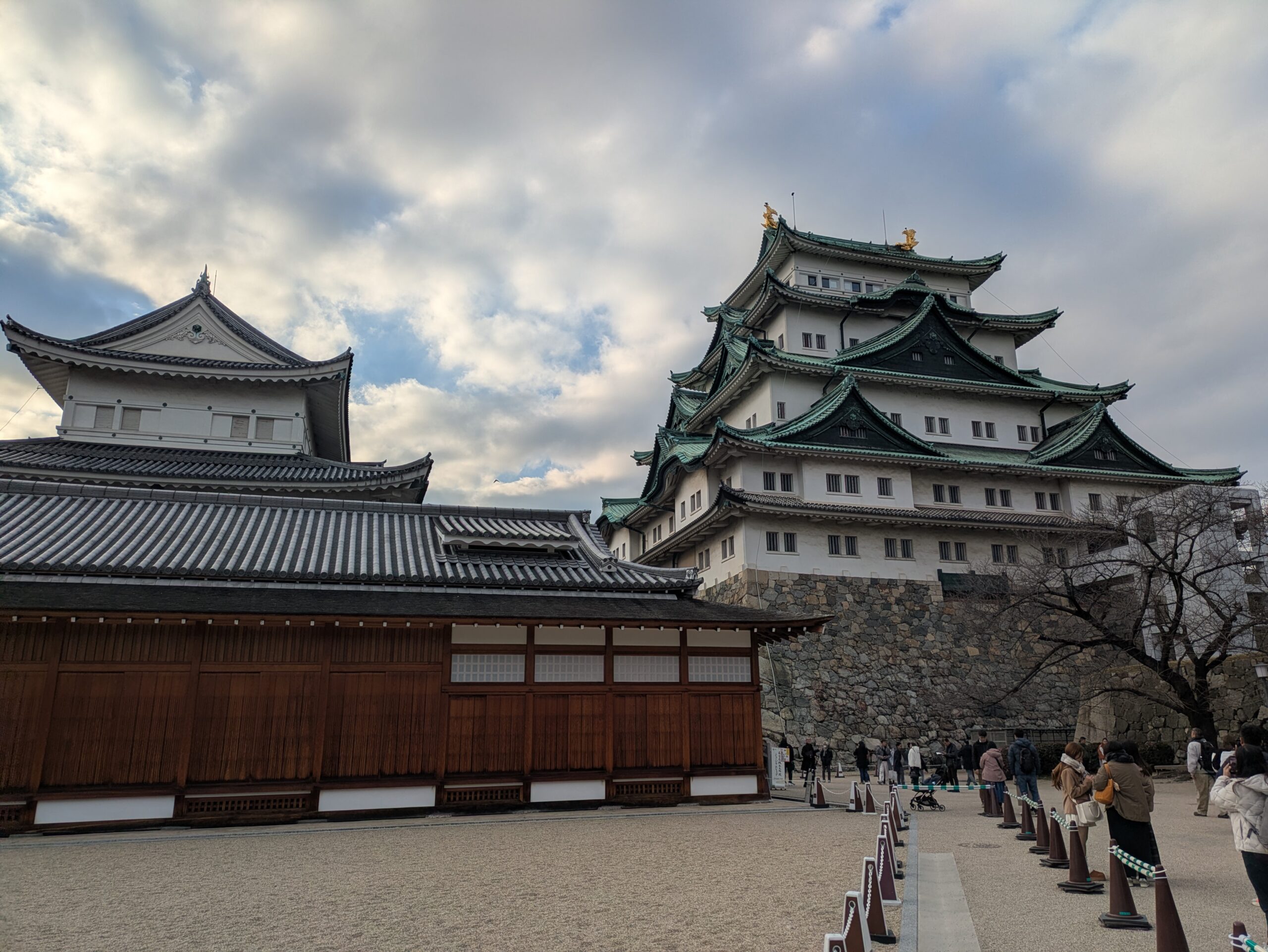
1. Basic Information Before You Visit
| Item | Details |
| Castle Name (Number) | Nagoya Castle (No. 44 of Japan’s Top 100 Castles) |
| Alias / Location | Kinshachi-jo, Kinjo / 1-1 Honmaru, Naka-ku, Nagoya, Aichi Prefecture |
| Built By / Year | Tokugawa Ieyasu / 1610 (Keicho 15) |
| Main Features | Honmaru Palace (Reconstructed), Northwest Corner Tower, Omote Ninomon Gate, Stone Walls, Kiyomasa Stone |
| Stamp Location | Main Gate (Seimon) ticket office, East Gate (Higashimon) ticket office |
| Parking | Main Gate Parking, Ninomaru East Parking (Paid) |
| Estimated Time | Approx. 2–3 hours (if exploring the Honmaru Palace thoroughly) |
2. [Field Report] Exploration Tips and a Dad’s Perspective
“Gold” as Visual Power: Highlights of Nagoya Castle’s Honmaru Palace
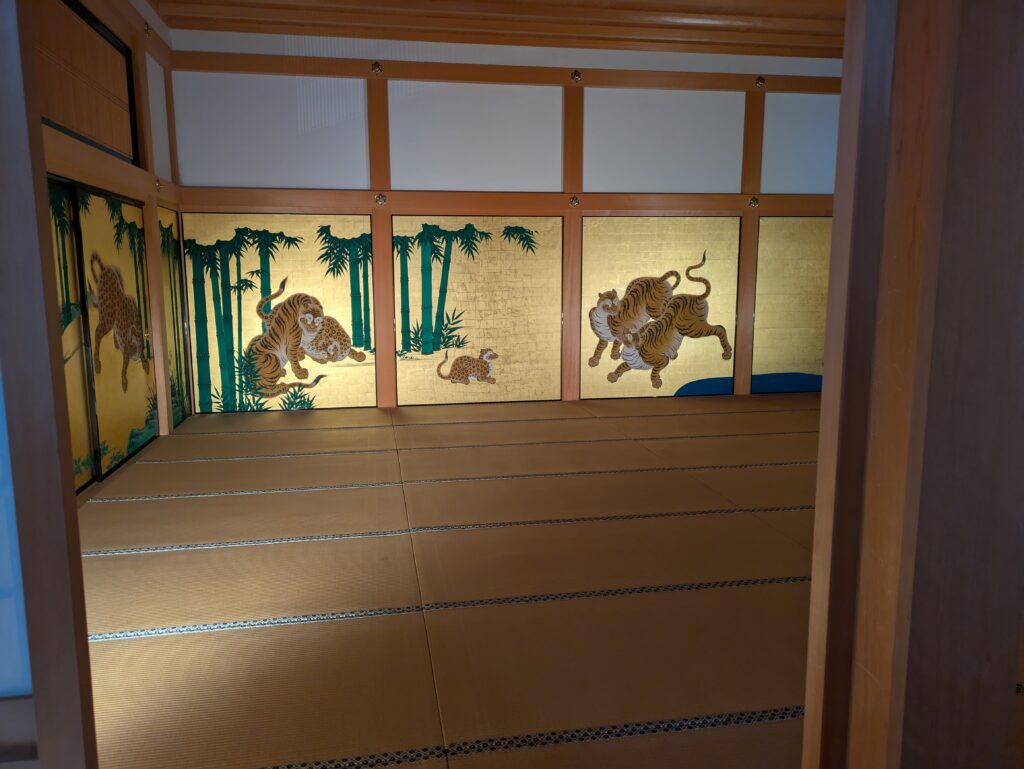
Step into the reconstructed Honmaru Palace, and you are immediately met with an overwhelming world of “gold.” From a modern perspective, it might look like a slightly surreal, overly flashy space. However, this was exactly the Tokugawa strategy. It was a “presentation of authority” designed to visually demonstrate immense wealth and power to visiting daimyo, compelling them to submit without a fight. This structure of psychological dominance still functions effectively even after 400 years.
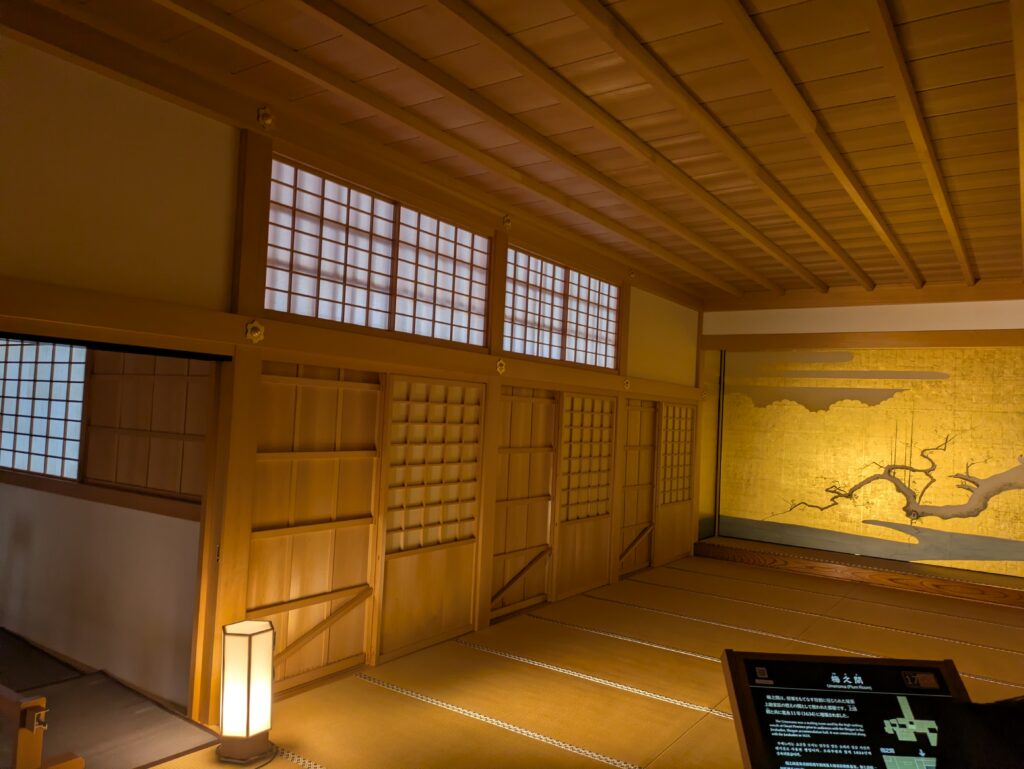
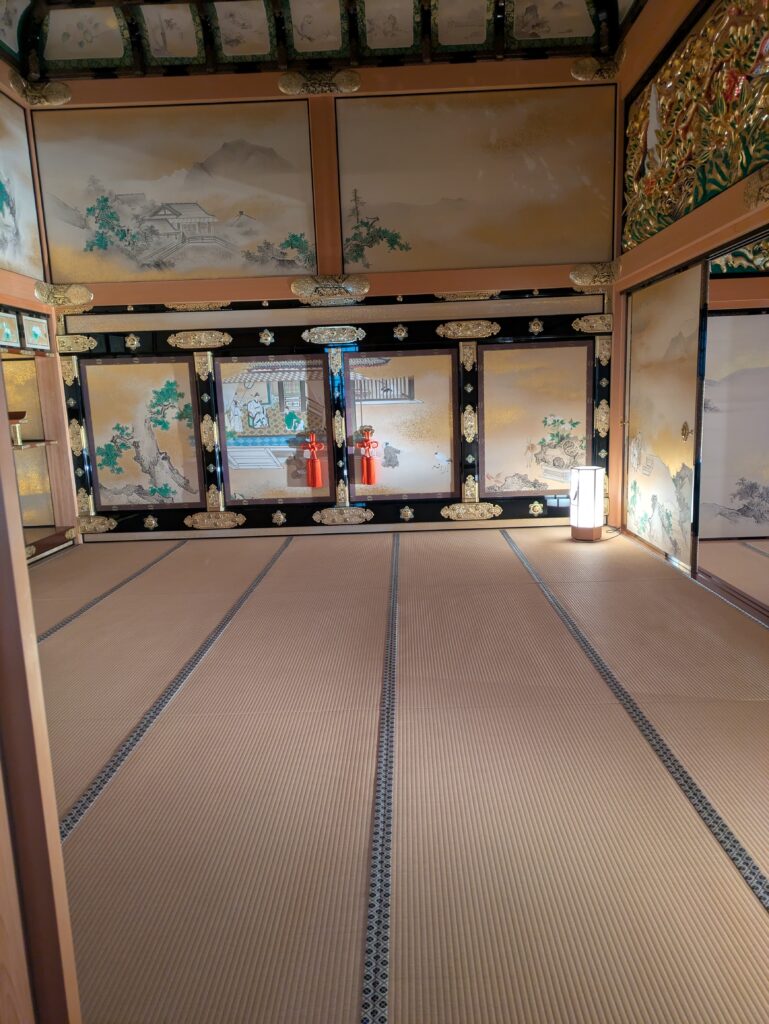
A “Stove” to Warm the Shogun’s Meal? The Absolute Practicality of the Kamigozen-sho
Beyond the glittering public rooms, I was particularly fascinated by the “Kamigozen-sho.” This was the backstage area where meals were prepared just before being served to the Shogun. It features an “irori” (a traditional sunken hearth, effectively a stove) used to reheat dishes carried from the distant main kitchen, ensuring everything was served at the perfect temperature. This uncompromising hospitality system and the logical layout designed to achieve it revealed the essence of management to me as an adult in my late 30s—a sharp contrast to the luxury of the front rooms.
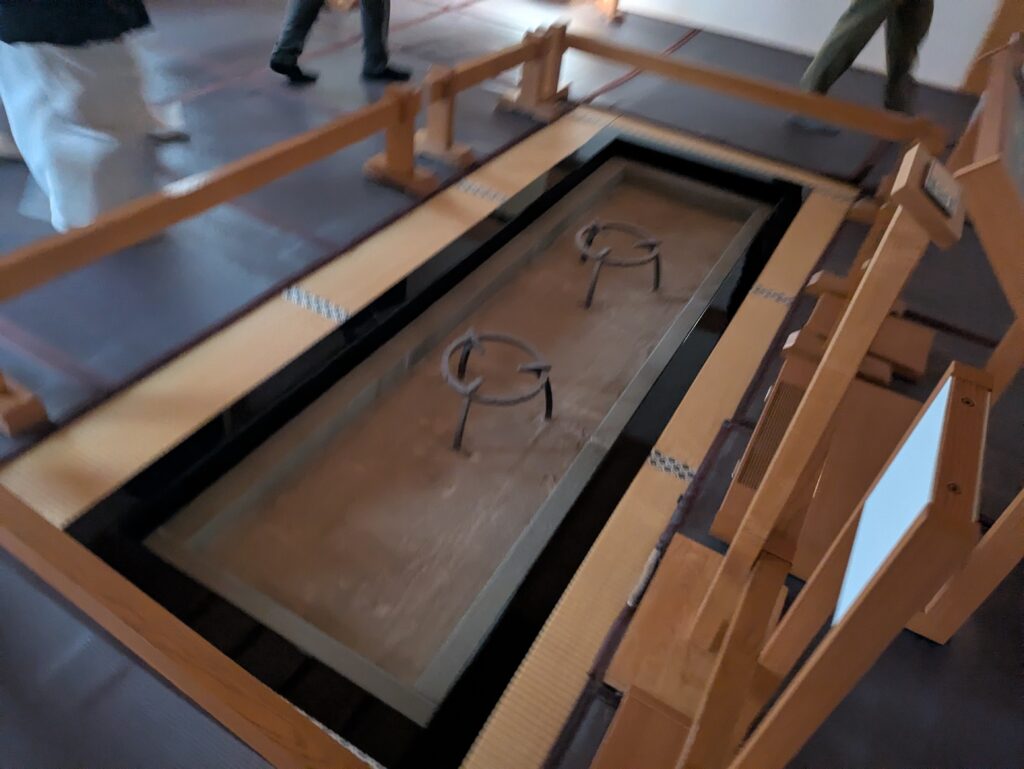
3. Family Travel Guide: Pokémon GO Haven and Historical Discoveries
Finding the Difference Between Tigers and Leopards, and Pokémon GO Luck at the Kato Kiyomasa Statue
My son was initially overwhelmed by the opulent wall paintings, but he stopped dead in front of the “Bamboo Grove with Leopards and Tigers.” I shared a bit of historical trivia: “In the past, people thought leopards were actually female tigers.” He immediately started a game of “spot the difference” with intense focus.
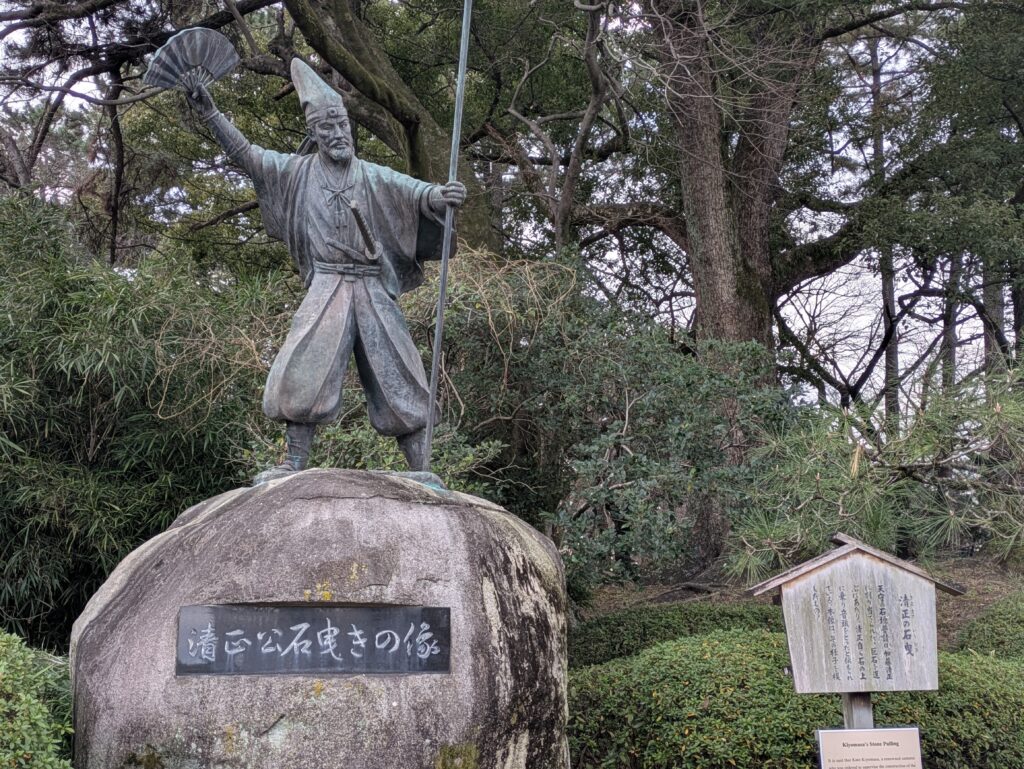
After leaving the palace, we opened Pokémon GO near the statue of Kato Kiyomasa. In an incredible stroke of luck, he managed to catch a “Shiny” Legendary Pokémon right there! We named it “Kato Kiyomasa” on the spot, and we were both ecstatic. It was a perfect moment where historical landmarks and modern gaming merged.
“I Come From Edo!” Answering the Samurai Troupe and Tracking Growth
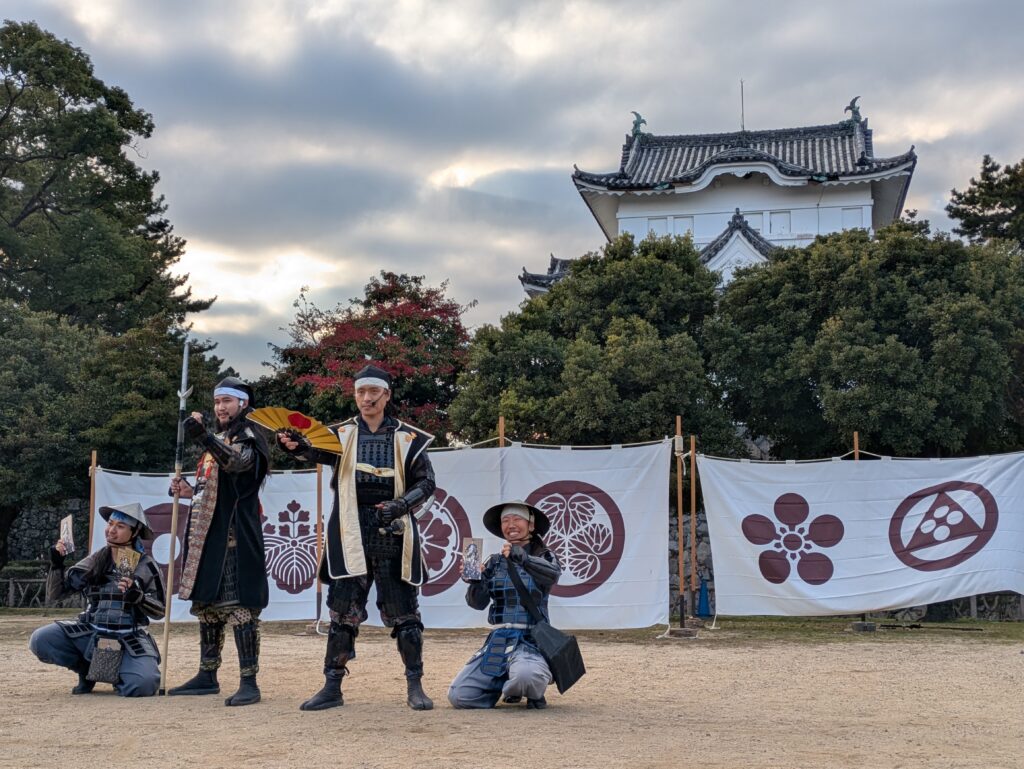
When Lord Ieyasu from the “Nagoya Omotenashi Bushotai” (Samurai Hospitality Troupe) asked my son, “From whence have you come?”, he replied without hesitation, “From Edo!” Seeing his ability to dive into the historical roleplay made me realize how much he’s grown. Looking back at photos taken in the same spot years ago, his height has changed so much. The vast grounds of Nagoya Castle are perfect for a family “fixed-point observation.”
4. Castle Tour Companions (Lunch & Souvenirs)
“Future Pillars” for the Wooden Keep: Shohei Ohtani’s Signature
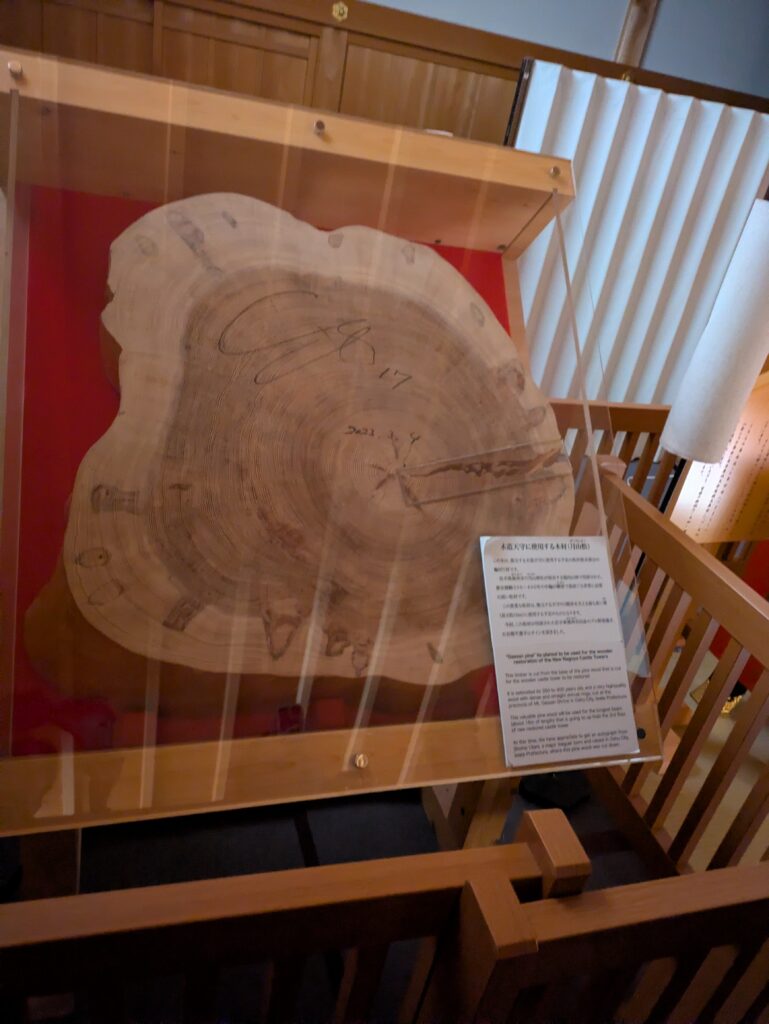
We saw the Gassan pine log signed by MLB star Shohei Ohtani on display. When I explained that this precious wood would eventually become a pillar or beam for the future wooden reconstruction of the castle keep, my son was genuinely intrigued. I’m already looking forward to a return visit years from now, when the tower is finished, to say, “That’s the wood we saw back then.”
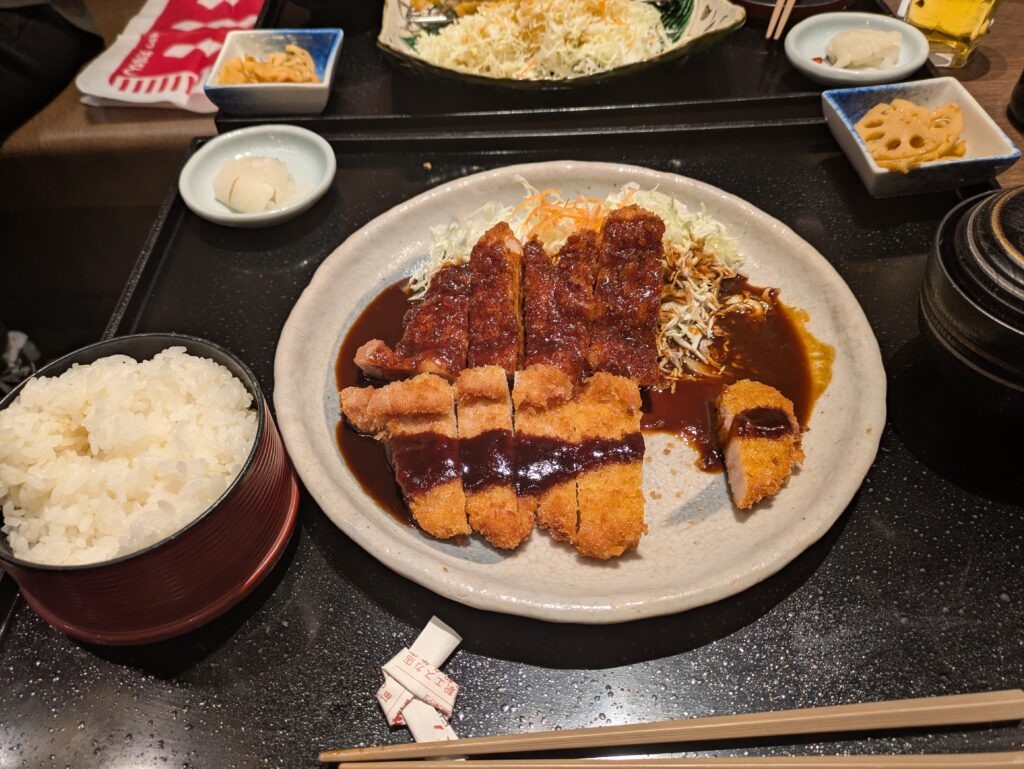
A Nagoya Food Staple: “Waraji Katsu” at Yabaton
After Nagoya Castle, we headed to the classic “Yabaton.” The cutlets drenched in rich miso sauce were exactly what our tired bodies needed after walking the expansive castle grounds. My son was very satisfied, noting, “This tastes different from the food in Edo!”
5. Recommended Nearby Spots
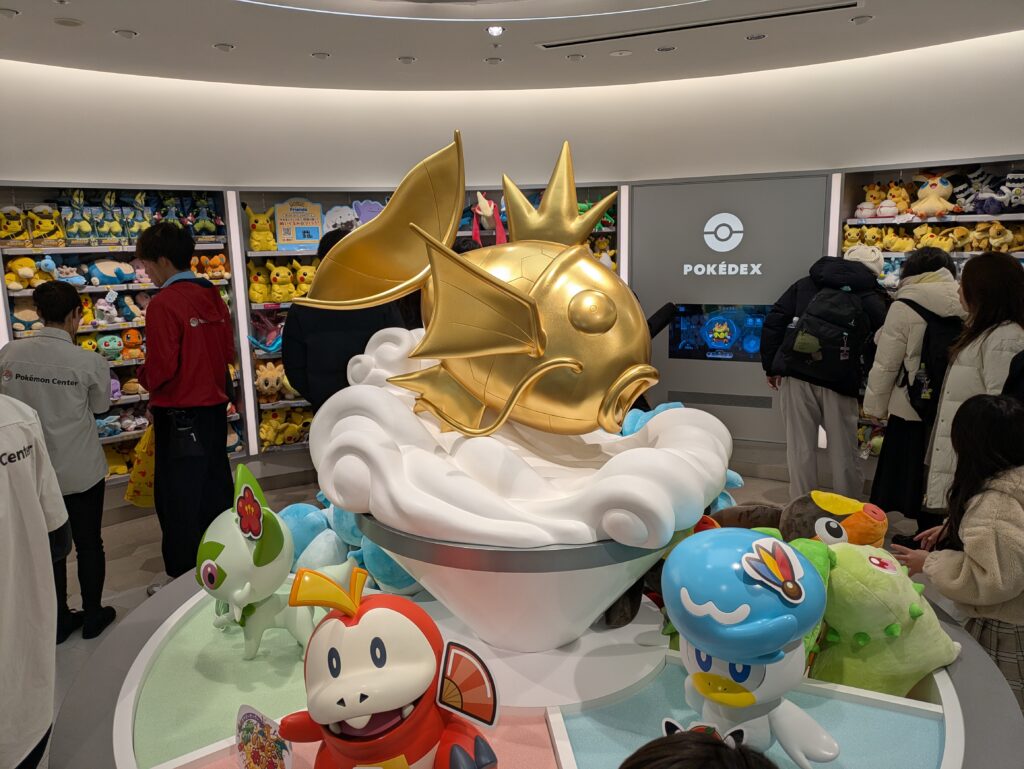
- Pokémon Center Nagoya (Nagoya PARCO): Keep the momentum from catching that Shiny Pokémon at the castle and visit modern-day Nagoya’s “Honmaru.” Combining history with Pokémon is a guaranteed way to skyrocket any child’s satisfaction level.
- Kinshachi Yokocho: A gourmet area located near the Main and East Gates. It’s an essential stop for souvenir hunting or a “Nagoya Meshi” food crawl.



Comments