[100 Fine Castles of Japan – No.008] Sendai Castle: Conquering the Natural Fortress Where the One-Eyed Dragon’s Ambition Lives On with My 8-Year-Old Son! Our Family Castle-Hunting Journey Started Here
[100 Fine Castles of Japan – No.008] Sendai Castle: Conquering the Natural Fortress Where the One-Eyed Dragon’s Ambition Lives On with My 8-Year-Old Son! Our Family Castle-Hunting Journey Started Here
Sendai Castle (100 Fine Castles of Japan – No.008)
Alternative Name / Location
Aoba Castle / 1 Kawauchi, Aoba-ku, Sendai City, Miyagi Prefecture
Built By / Year of Construction
Date Masamune / Around 1600 (Keicho 5)
Main Remains
Honmaru (Main Ward) north wall stone ramparts, Otemon Waki-yagura (reconstructed corner turret), Sannomaru (Third Ward) water moat, Tsumemon gate ruins
Stamp Location
Sendai Castle Kenbunkan (Information Center inside the Honmaru ruins)
Parking
Aobayama Tourist Parking Lot (Paid, approx. 150 standard cars) *While you can access the vicinity of the Honmaru by car or bus, the slope leading up to it is extremely steep.
Estimated Time Required
Approx. 1.5–2 hours (including exploring the Honmaru ruins and visiting the museum. Including the surrounding three shrines makes it a full-day itinerary)
2. [On-Site Report] Conquest Points and Dad’s Analysis
◆ The “Impenetrable Defense Logic” Formed by Cliffs and the Hirose River
Visiting the site in person truly made me realize the “sheer steepness” of its location. Just moving along modern paved roads puts a heavy physical load on your body. Analyzing this terrain from an adult’s perspective, or rather through the lens of structural observation, reveals that this is the very definition of a design built to “maximize the physical and psychological cost for attackers.” Just climbing up while catching my breath was quite a challenge, proving to be a formidable opponent for a body in its late 30s.
Standing on the Honmaru ruins, an unobstructed, breathtaking panoramic view of downtown Sendai stretches out beneath your eyes. However, shifting focus to the defensive logic of the period, this “excellent visibility” translates into an overwhelming strategic advantage: “the movements of the approaching enemy are fully exposed.” Hampered by the natural fortress of the Hirose River and steep cliffs, the enemy forces would likely be completely exhausted by the time they managed to climb up, allowing the defenders to leisurely intercept them from a high vantage point. I was able to deeply understand the strategic rationality behind why Date Masamune insisted on this location and poured massive resources into constructing this castle.
◆ An 8-Year-Old Son’s Imagination Running Wild Precisely Because It’s a “Castle Ruin”
In fact, this visit to Sendai Castle marked the memorable first step of our family’s “castle-hunting journey.” After giving my son, who loved books like the “Saikyo-Oh (Strongest King)” series, an illustrated encyclopedia of Sengoku warriors, he devoured it voraciously and became a massive fan of Date Masamune. This trip was born out of his pure enthusiasm: “I want to go meet the real Lord Masamune!”
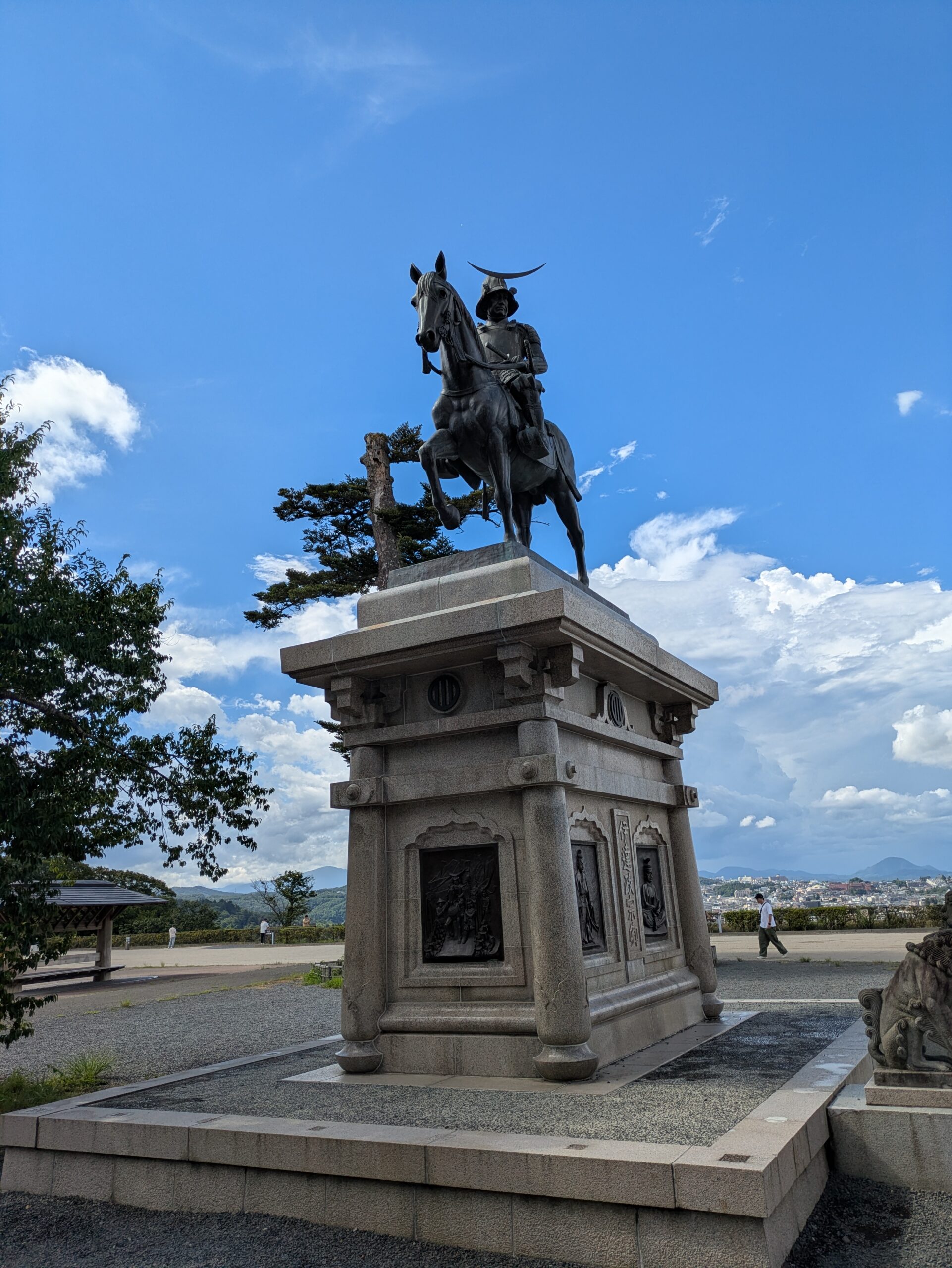
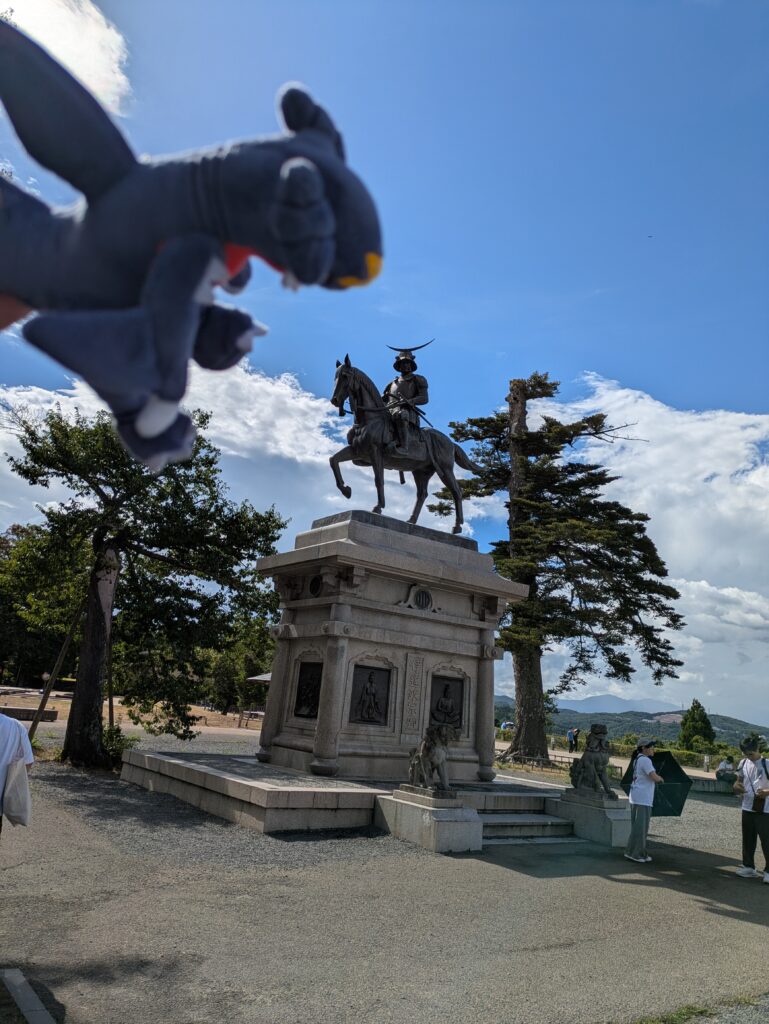
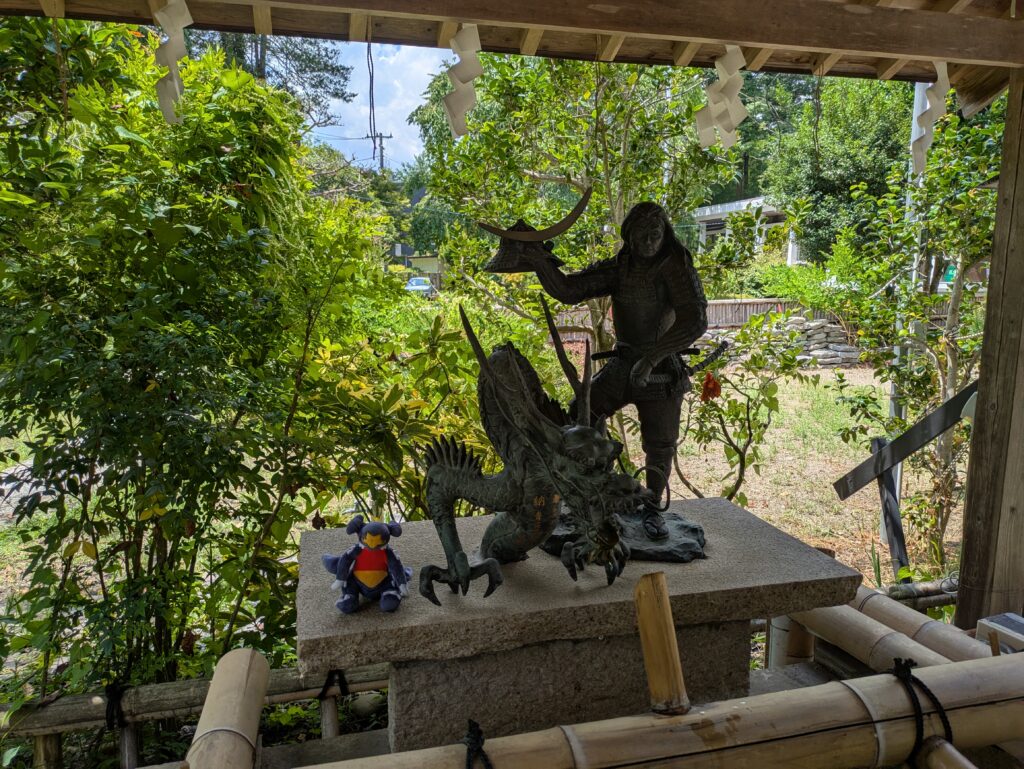
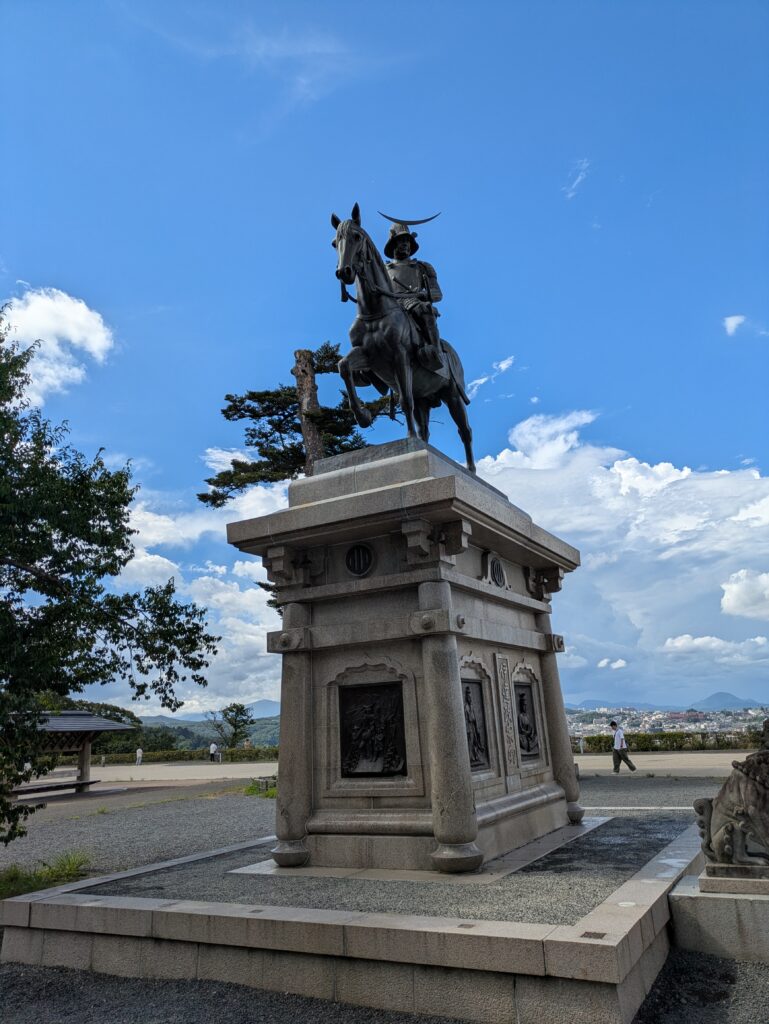
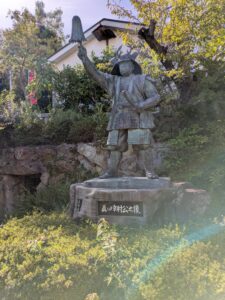
Conquering a “castle ruin” where original structures like the Tenshu (castle tower) no longer remain can, honestly, make it difficult even for adults to visualize how it looked back then. When we arrived on-site, what lay before us was simply a wide-open space devoid of buildings. However, for my son, who was fully equipped with a homemade eyepatch and sword crafted just for this day, standing before the coveted equestrian statue of Lord Date Masamune, the lack of buildings seemed to be a trivial matter.
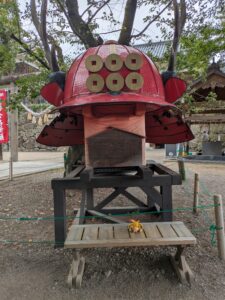
Looking down at the Hirose River from the vast castle ruins and experiencing the outstanding visibility, my son stood there reflecting on the advantage of looking down on enemies from a high place and the sheer exhaustion of those climbing up. Precisely because it is an empty castle ruin, I was deeply moved to realize that the old Aoba Castle had been completely reconstructed within a child’s pure imagination. Borrowing an authentic helmet at the Honmaru Kaikan to transform into a perfect samurai for a commemorative photo shoot also remains one of our finest memories.
◆ Asking the Guide! “Raw Insights” You Can Only Encounter On-Site
Speaking with a guide inside the grounds brought fascinating anecdotes that made me feel how history connects directly to the present—insights you could never get just by reading words in a book or on a screen.
First, I was astonished to learn that Mr. Date from Sendai’s famous comedy duo “Sandwichman” is actually a direct descendant of the Date clan line. The fact that a familiar figure active in modern entertainment is linked to a historical icon gave me—a man in his late 30s—a fresh wave of surprise and instantly made history feel much closer to home.
Furthermore, the figure we know as the “One-Eyed Dragon, Date Masamune” actually inherited his name from a past ancestor within the Date family who held the exact same name. Terumune Date, the father of the 17th-generation Masamune, deeply respected the 9th-generation head from the Muromachi period, Masamune, who had greatly expanded the Date clan, viewing him as the ideal warrior. Wishing for his own son to “become a great and legendary commander like the previous Masamune,” he personally bestowed the name “Masamune” upon him during his Genpuku (coming-of-age ceremony).
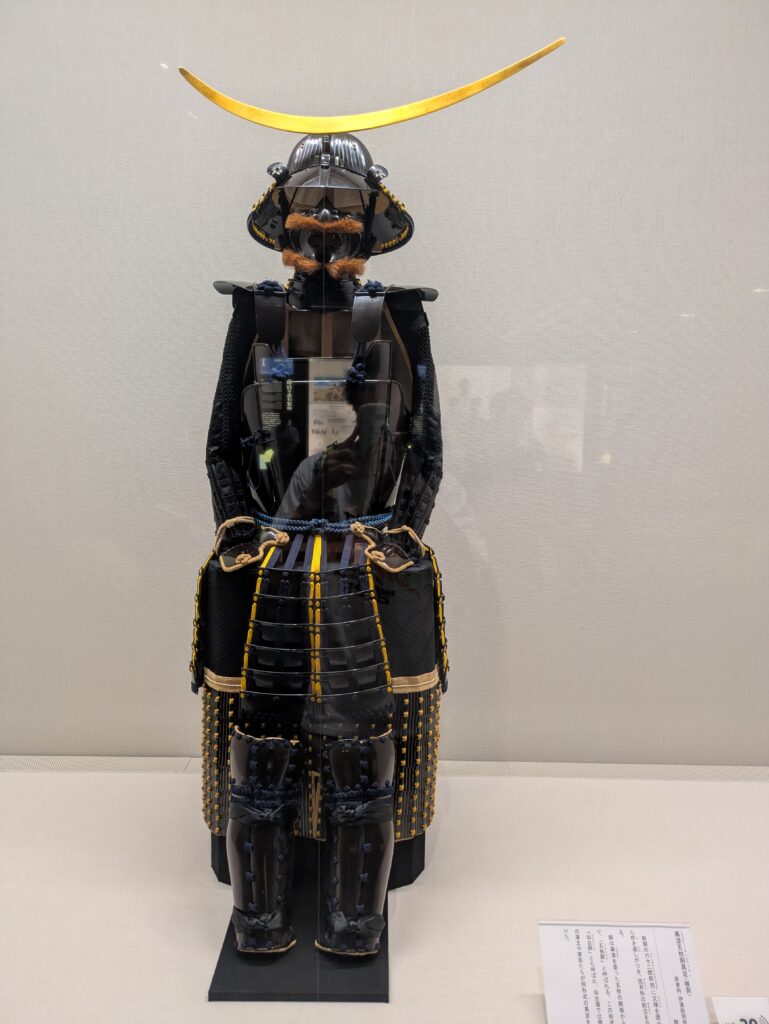
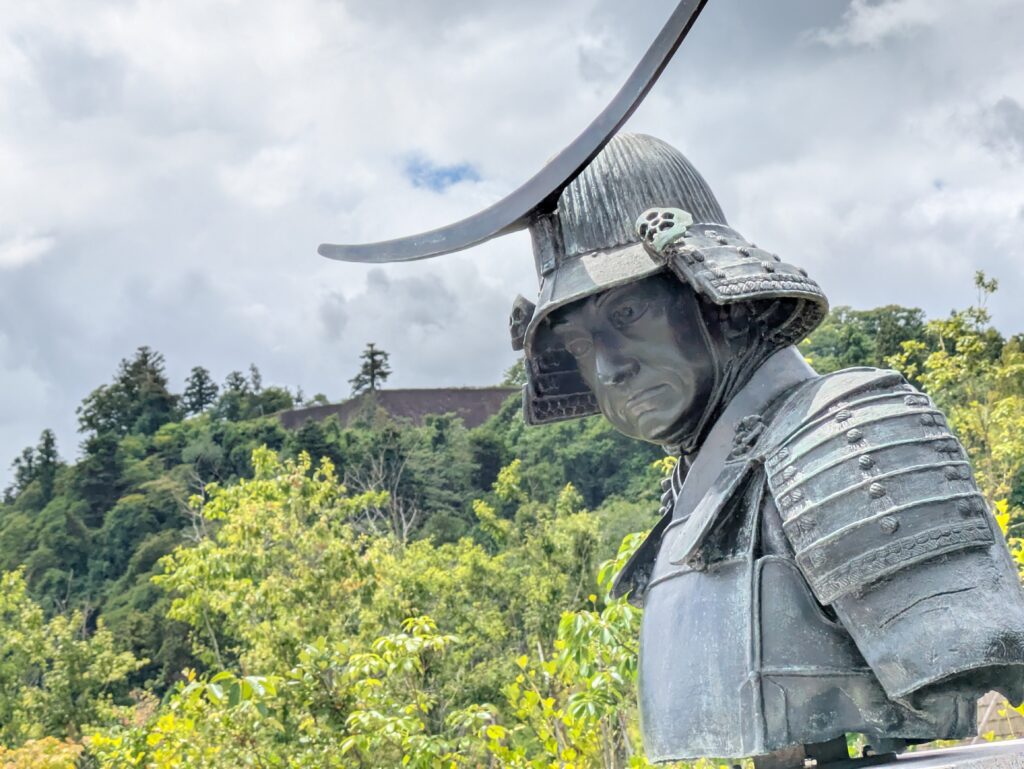
Additionally, that famous “large crescent moon helmet,” which serves as Masamune’s iconic trademark, concealed an astonishing design choice built around real combat functionality. That crescent crest on the front was actually made of “wood,” not metal. It was a clever weight-reduction strategy designed to alleviate stress on the neck and allow swift, agile movement on the battlefield. On top of that, it was designed asymmetrically so it wouldn’t interfere when drawing a sword. It wasn’t just about aesthetics or cool design; it was packed with practical logic to maximize survival rates, which made this adult deeply nod in admiration.
3. Spots to Deepen Your Knowledge of the Date Clan (Zuihoden, Osaki Hachiman-gu, Aoba Shrine)
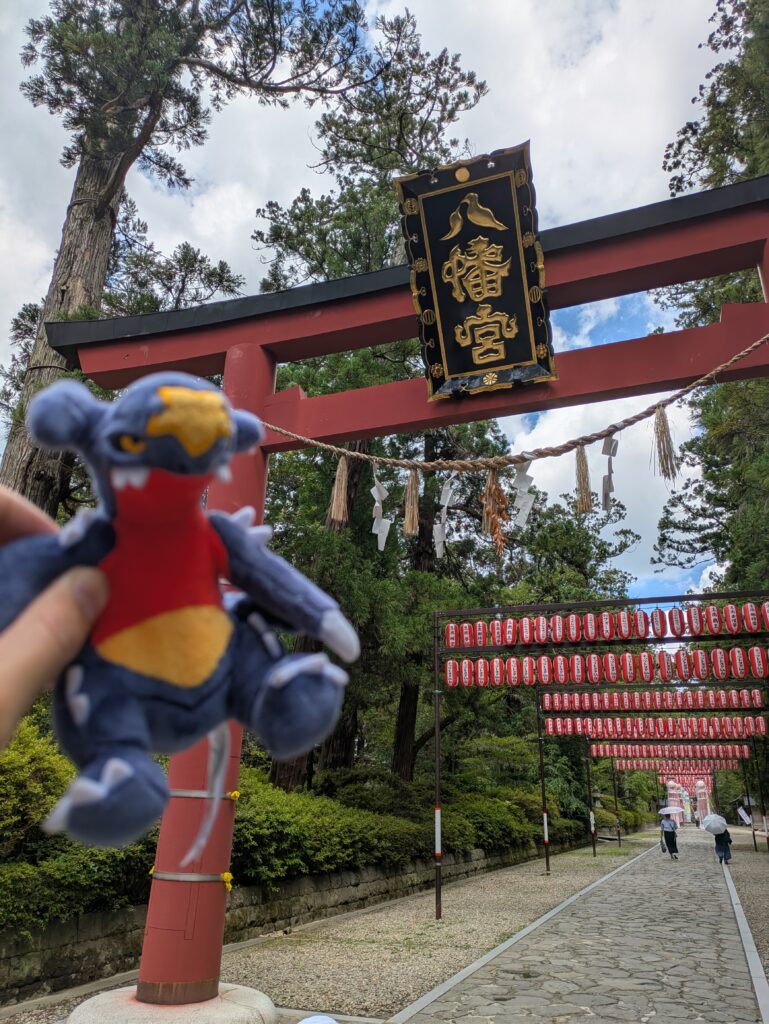
After experiencing the layout of Sendai Castle, we extended our steps to three deeply connected temples and shrines to delve further into Lord Masamune’s spiritual world and the history of the Date family. Touring these as a set with the castle ruins builds a much stronger context for the journey.
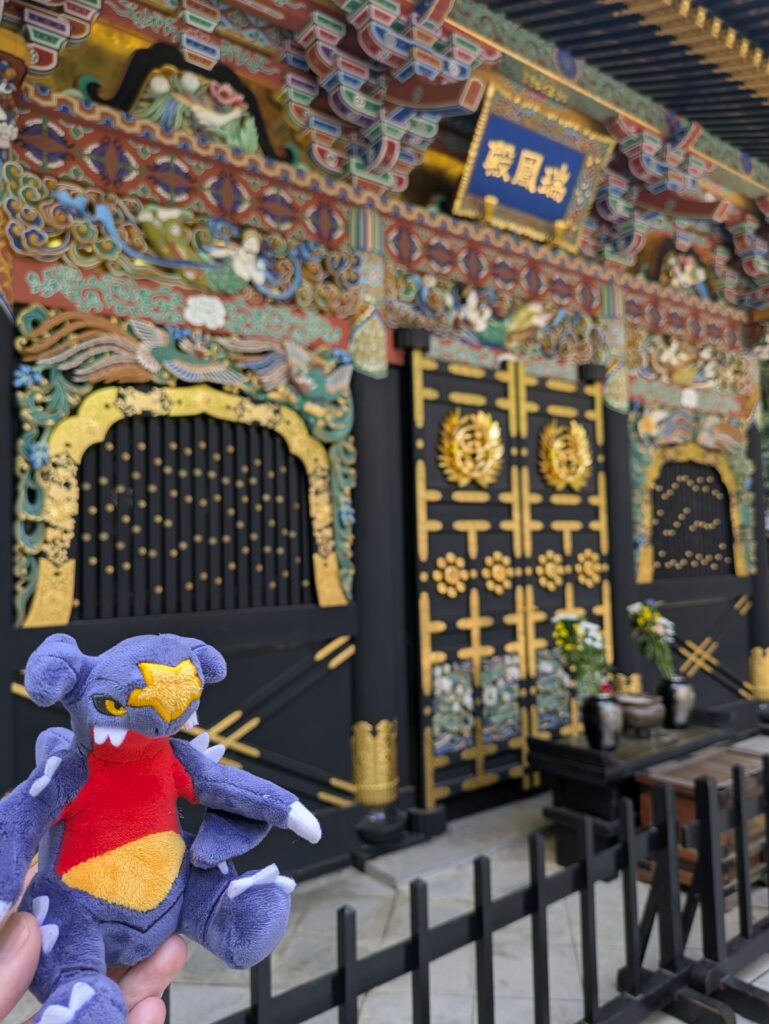
Zuihoden: A Symbol of Authority Encapsulated in Brilliant Colors We headed to Zuihoden, the mausoleum where Lord Masamune rests. The path leading here features a long, quiet stone staircase surrounded by a grove of cedar trees. While climbing those steps is quite exhausting, the vivid, brilliantly colored decorations that appear at the top after taking it step by step are nothing short of breathtaking. My son also caught his breath at the overwhelming colors and solemn atmosphere, staring intently at the details.
Osaki Hachiman-gu: National Treasure Main Shrine and Relief with Shaved Ice Next, we visited Osaki Hachiman-gu, a National Treasure built by pooling the prestige of the Date family. The black lacquer finish contrasted with expensive gold leaf and intricate carvings perfectly embodies the stylish “Date-otoko” (dandy/flamboyant) aesthetic. Since we had covered a long distance that day and my son was starting to show signs of fatigue, we took a breather after praying by eating “shaved ice” sold on the grounds. Incorporating these simple, rhythmic rest periods is absolutely essential for trips with children.
Aoba Shrine: A Serene Space Revering Lord Masamune as a Deity To wrap up our three-shrine tour, we visited Aoba Shrine, which enshrines Lord Date Masamune as its deity. It possessed a solemn, peaceful air quite distinct from the bustling tourist spots. For my son, who had continued his journey wearing his homemade eyepatch, this place was truly the inner sanctum of his holy land. We pressed our hands together in a gentle atmosphere perfectly fitting for the conclusion of our trip.
4. Guide for Families & Parents Traveling with Kids
My Son’s Reaction: Although no actual buildings remained, he seemed heavily stimulated by the incredible view from the Honmaru ruins. It became the very first castle where the world he admired inside his illustrated books instantly turned into a reality.
Dad’s Cautionary Points: The Honmaru area of Sendai Castle ruins is a vast, open space with very little shade, making hats and hydration measures absolutely mandatory during summer. Also, while we did a three-shrine tour of surrounding spots linked to the Date family (Zuihoden, Osaki Hachiman-gu, Aoba Shrine) this time, it is an endless succession of “stairs and slopes.” It takes a toll on an adult’s legs and back, so choosing comfortable walking shoes is a given. I also highly recommend planning ahead to schedule breaks at local sweet shops or rest spots before your child hits their physical limit.
5. Castle-Hunting Companions (Lunch & Souvenirs)
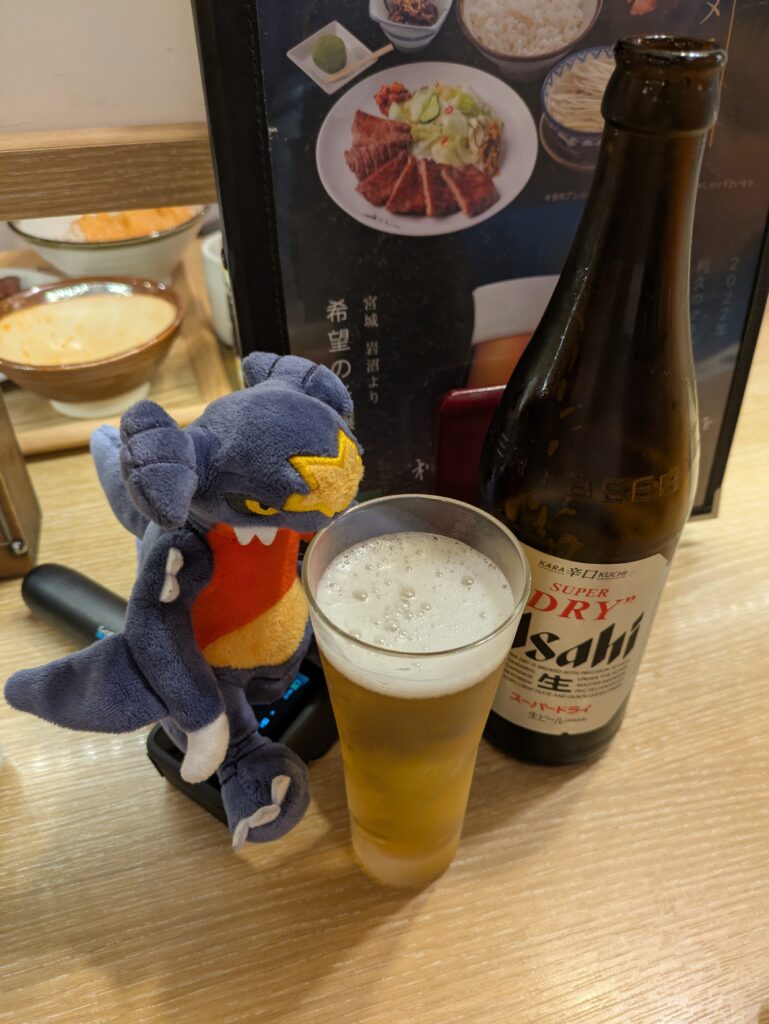
What We Ate: Tanya Zenjiro (Sendai Station Gyutan Dori Branch) / Thick-Cut Gyutan (Beef Tongue) Speaking of Sendai specialties, you can’t skip gyutan. We fully indulged in our favorite thick-cut version. It seemed a bit too chewy for my 8-year-old son, but we cut it into smaller pieces to share, allowing him to experience the authentic local flavor.
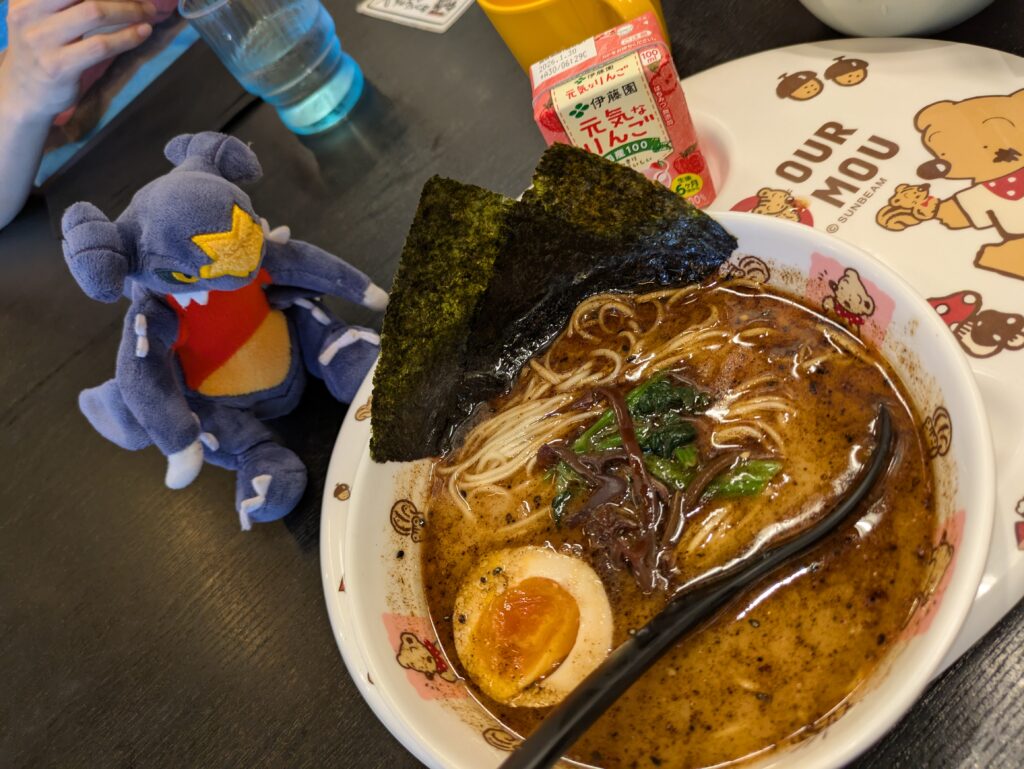
What We Ate: Ramen Oppeshan / Rich Black Mayu (Roasted Garlic Oil) Ramen Our choice for lunch on the second day. Choosing a heavy black mayu ramen while in Sendai was a bold move, but it turned out to be a massive win. After walking all over the castle and the three shrines, the punchy, rich soup and garlic flavor delivered the ultimate energy charge to our sweaty, exhausted bodies.
What We Bought: Haikyu!! Limited Postcard (at the Aoba Castle Museum) We purchased limited-edition merchandise to commemorate the trip, allowing us to feel the sheer passion for the series since Sendai serves as its setting. It turned out to be a great souvenir that leaves our travel memories in a physical form.
6. Recommended Surrounding Spots
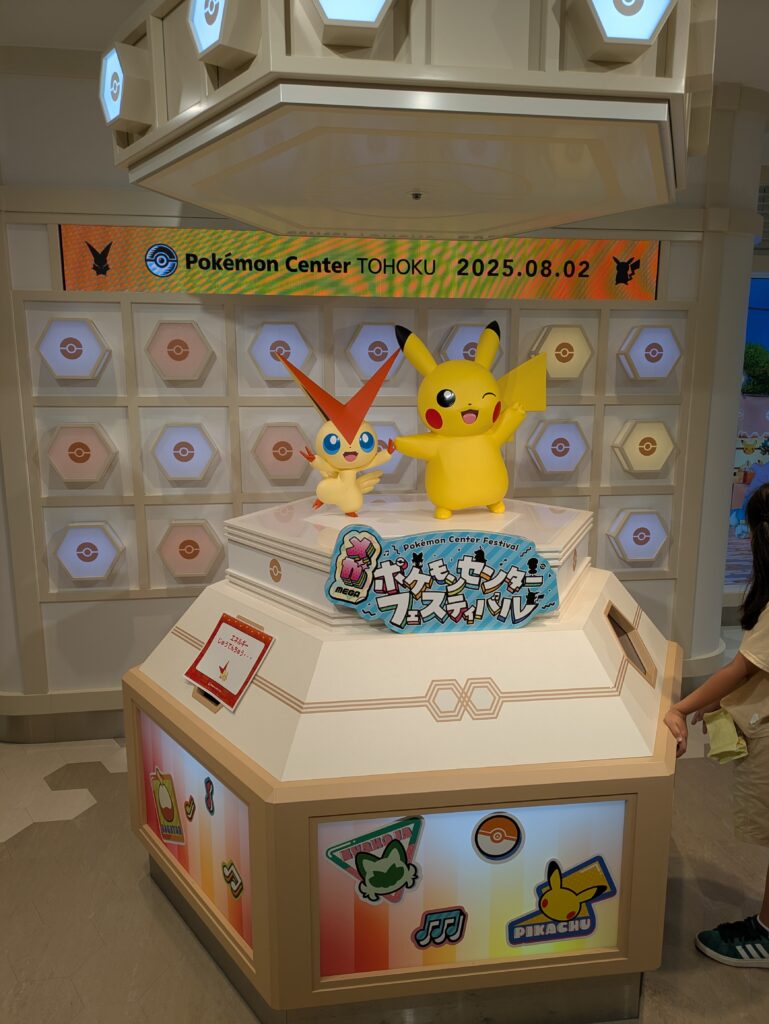
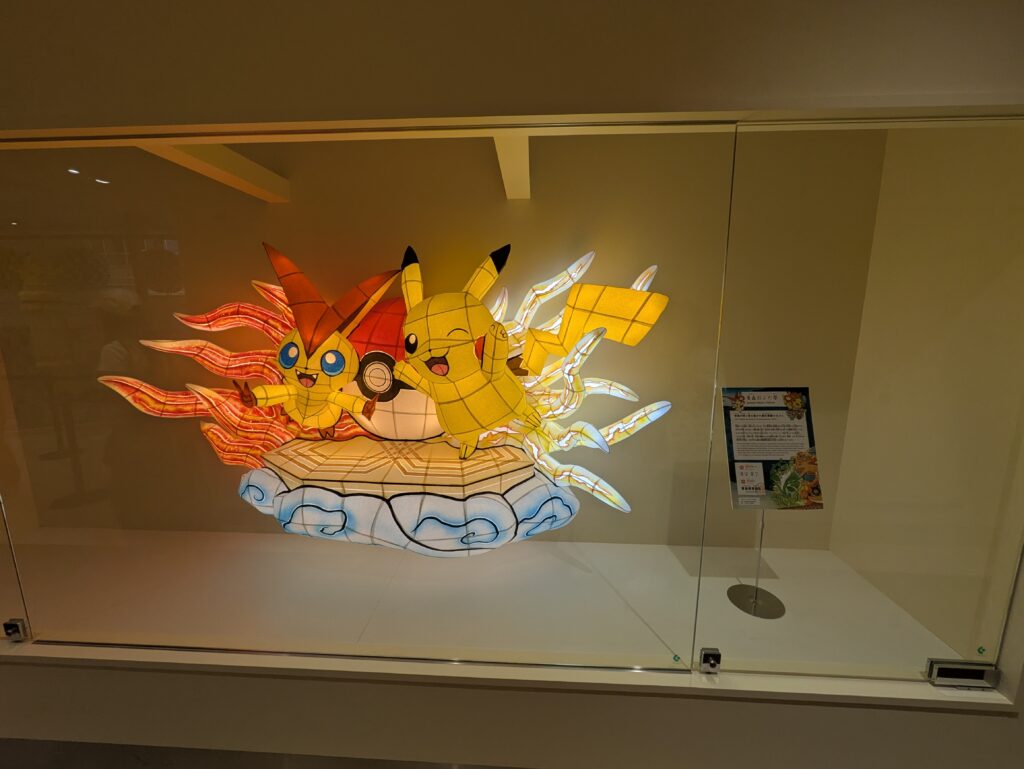
A Location to Visit as a Set: Pokémon Center Tohoku A shop directly connected to Sendai Station. We visited as part of our family project: “Conquering Pokémon Centers Nationwide.” Alternating historical exploration—a slightly adult-oriented content—with modern entertainment that kids absolutely love allows you to maintain a child’s motivation at a high level until the very end. Routing this visit before or after your castle exploration comes highly recommended.
Introduction to Sendai Castle Tour & Travel Log Article
"Where did I get that stamp?" "I want to remember the excitement of seeing those stone walls with my child." We developed "ShiroLog" to capture those precious moments.
Covers 1,000+ castles across Japan
Keep your own "Conquest Log" with photos
Save memories with family and friends digitally My son Keigo and I use this app to record our adventures. It’s the perfect companion for every castle lover!



Comments